


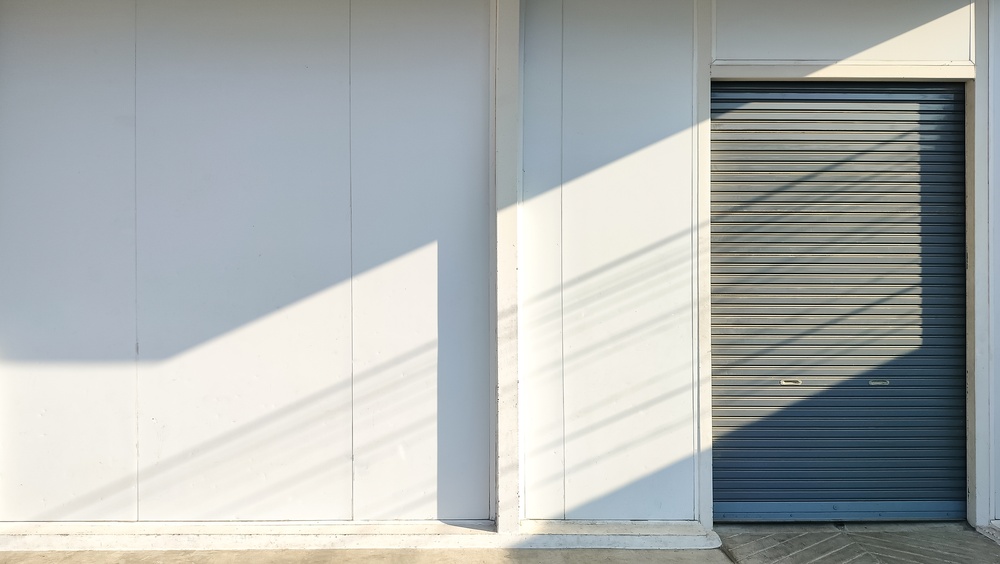
Garage doors quietly carry the biggest moving surface on most homes, and they take more abuse than any other exterior feature year after year. Homeowners shopping for steel garage doors in Palm Desert, CA, usually start the search after a windstorm dents the old aluminum panels or the wood door starts cracking along the bottom rails from years of UV exposure. The desert is brutal on garage door materials in ways suburban estimators from cooler markets rarely appreciate, and the material choice you make today shapes your maintenance schedule and your energy bills for the next two decades. Steel has earned its place as the practical default for most Coachella Valley homes, and not because of slick marketing or salesperson commission structures. The reasons are concrete, measurable, and verifiable, and the next sections walk through what actually makes steel the right call when the time comes to replace the door that’s been getting worse every summer.
1. The durability story that actually holds up
Steel garage doors handle the daily abuse of desert life in ways the alternatives simply can’t match. The galvanized base layer resists rust even under years of irrigation overspray, while modern powder-coat finishes shrug off the UV punishment that bleaches wood doors gray inside three summers. Dent resistance varies by gauge, with 24 gauge steel offering significantly better impact tolerance than the thinner 27 gauge options found on builder grade installs. Wind ratings on properly installed steel doors reach 110 mph or higher with the right reinforcement bracing, which matters during the windy stretches that hit the valley every February and March. The structural integrity holds up across temperature swings from 38 degrees on January nights to 117 in July shade, with no warping, no cracking, no rotating panels that bind in the tracks.
2. Insulation values nobody talks about
Garage doors are one of the largest uninsulated surfaces on most homes, and that thermal weakness shows up in surprising ways. Modern insulated steel doors deliver R values between 12 and 18, depending on the construction style, which dramatically outperforms the R 2 or R 3 of single layer aluminum or wood doors. That insulation upgrade matters even for detached garages, since the difference between 140 degrees and 95 degrees in the garage during August affects how the adjacent walls perform against the conditioned space inside. Storage items also fare better at lower temperatures, which extends the life of paint cans, garden chemicals, and any vehicles parked inside through the worst of summer. Energy savings from attached garages typically range from $40 to $90 annually, depending on door size and previous insulation level.
3. Real cost numbers and twenty year math
Most homeowners researching the benefits of steel garage doors for residential homes quickly run the lifecycle cost comparison and see why steel keeps winning the math. A standard 16 foot insulated steel door runs $1,400 to $2,800 installed in this market, with premium finishes and decorative options pushing toward $4,500 for high end designs. Twenty year cost projections favor steel dramatically, since maintenance averages just $50 to $100 annually compared to $300 to $600 for wood doors that need regular refinishing. Hardware replacement intervals are 15 to 20 years for steel versus 8 to 12 years for aluminum, which spreads out major service calls noticeably. Even the salvage value at the end of life holds up, since steel recycles cleanly through any scrap metal yard at modest but meaningful per pound rates.
4. Style options that have come a long way
The old image of steel garage doors as bland industrial slabs has been outdated for at least fifteen years. Modern designs offer wood-grain textures that hold up under close inspection, contemporary smooth panels in dozens of color options, and decorative window inserts that transform the home’s front elevation. Carriage house styles have become particularly popular in this market, mimicking the look of traditional wood swing doors while delivering all the durability advantages of steel construction underneath. Color-matching to existing trim, stucco, or accent features is straightforward with powder-coat options that maintain their appearance for 2 decades or more. The aesthetic concessions homeowners once made for steel’s durability simply don’t exist anymore, and the curb appeal boost from a quality steel install often surprises homeowners on the first morning after the new door goes up.
5. Security and the safety features that matter
Modern steel doors offer security upgrades that homeowners often overlook during the shopping process, focusing solely on aesthetics or pricing. The torsion spring systems on quality steel installations are equipped with safety cables that prevent dangerous failures if a spring breaks under load. Tamper resistant brackets, reinforced lock mechanisms, and pinch resistant section joints all factor into the safety profile of a current generation door. Auto-reverse sensors meet the latest federal safety standards, and the photo-eye systems detect obstacles down to a few inches above the threshold. Smart home integration through Wi-Fi-enabled openers has become standard rather than optional, with smartphone control and activity alerts available on virtually every quality installation via compatible openers, typically sold separately for $250 to $450.
Conclusion
Steel earns its place as the smart material choice through metrics that hold up across decades rather than marketing seasons. Durability, insulation, lifecycle cost, modern aesthetics, and integrated safety features all stack in favor of steel as the default choice for desert homeowners making the garage door decision. Wood looks beautiful in the showroom, but punishes its owner with refinishing visits for the next twenty years. Aluminum dents at the slightest impact and bleeds heat at every joint. Steel just works, year after year, with minimal complaint, which is exactly what a garage door should do for a home.
“Tough doors, quiet operation, smart security. Phone Door Pros at 877-787-3667 today, we’ll walk through options, finalize the price, and book your install date.”
FAQs
Q1: How long does a quality steel garage door last in Palm Desert, CA?
Most properly installed steel doors last 25 to 30 years in this climate, with minimal maintenance beyond annual hardware lubrication and occasional weatherstripping replacement. Premium gauge installations from major manufacturers often outlast that range, especially when paired with quality openers.
Q2: How much does a typical garage door installation cost in the Coachella Valley?
Most homeowners spend between $1,400 and $2,800 for standard 16 foot insulated installations, with premium designs and custom finishes climbing toward $4,500. Single-car door installations at 9 feet run roughly 35-45% less across the same quality tiers.
Q3: When is the best time to schedule a garage door replacement in the Coachella Valley?
Late fall through early spring offers the best combination of installer availability and cooperative weather for any exterior project. The peak season runs from November to April, so booking three to four weeks in advance helps secure your preferred install date.