


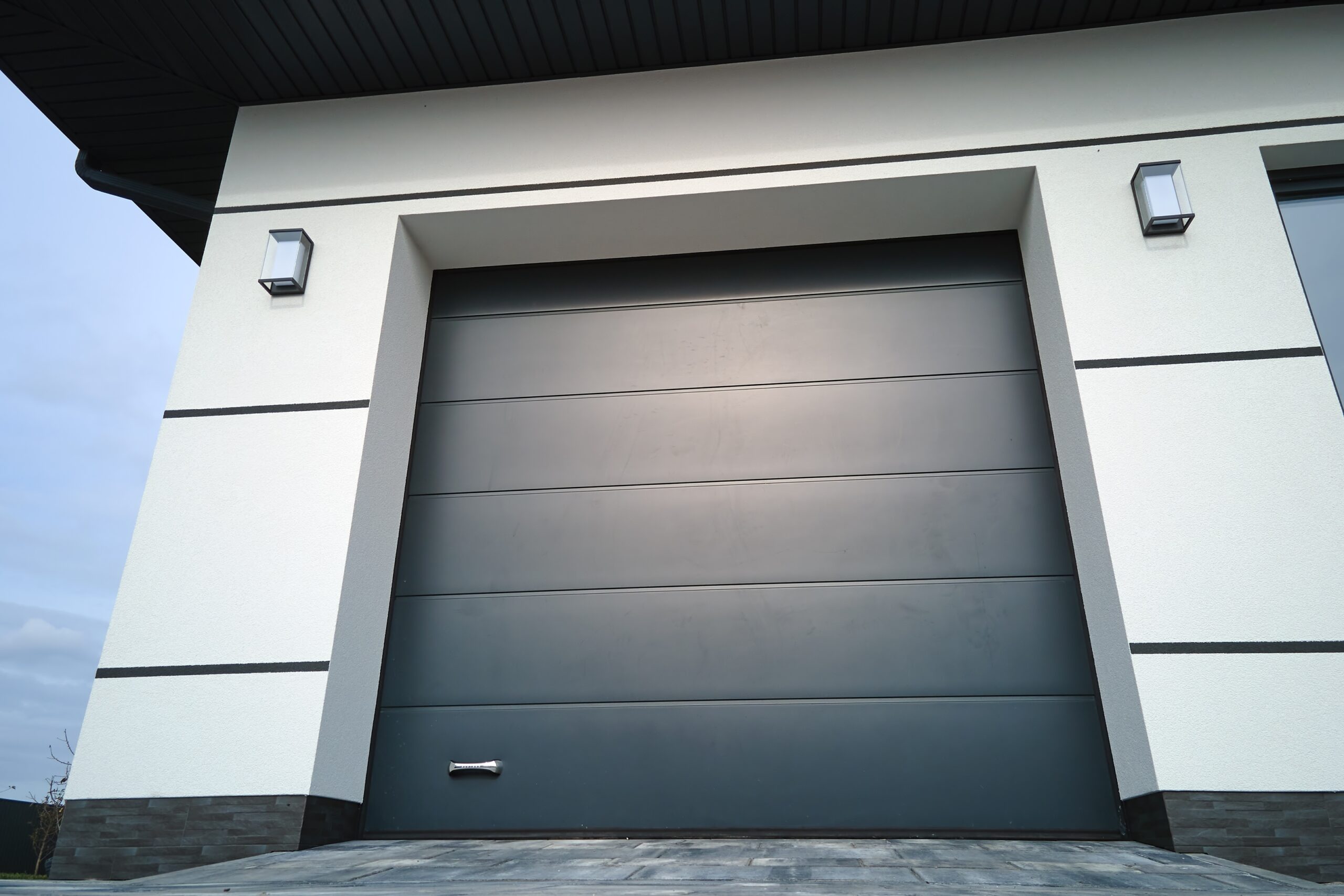
Sustainability conversations tend to center on solar panels and electric vehicles, skipping right past one of the biggest surface areas on most homes entirely. Eco-friendly garage doors deserve a spot in that conversation too, given how much square footage a single door panel actually covers on the front of a house. A garage door poorly insulated or made from environmentally costly materials affects both energy use and landfill waste over its lifetime, two things that rarely come up when people picture garage doors at all. Material sourcing, insulation quality, and even the coating on a door’s surface all play into how sustainable a specific option actually is. None of this requires sacrificing style or budget entirely. It just takes knowing which features actually matter. A door can look identical to a neighbor’s and still perform completely differently once insulation and materials get factored in.
1. Insulation Value Matters More Than People Assume
A garage attached to living space, especially one with a room above it, loses or gains heat through the door itself more than most homeowners realize. Polyurethane foam core doors trap air far more effectively than a hollow steel panel, cutting the energy transfer that forces an HVAC system to work harder year round. R-value, the standard measurement for insulation performance, varies dramatically between models even within the same price bracket. Checking that number before purchase matters just as much as checking it for windows or attic insulation, though almost nobody thinks to ask about it at a garage door showroom. A well insulated door pays for itself gradually through reduced heating and cooling costs, something a cheap uninsulated panel never manages. That gap shows up on the electric bill long before it shows up anywhere else.
3. Recycled and Reclaimed Materials Worth Considering
Steel doors increasingly use recycled content in their manufacturing, and steel itself is fully recyclable at the end of its service life, unlike some composite materials that end up in a landfill permanently. Reclaimed wood, salvaged from old barns or decommissioned structures, shows up occasionally in higher end garage door manufacturing for homeowners wanting a specific aesthetic without cutting fresh lumber. Among the more practical Sustainable home upgrades a homeowner can make is simply asking a manufacturer directly about recycled content percentages, information that rarely appears on a showroom floor unprompted. Most buyers never think to ask, which means most manufacturers never think to volunteer it. Aluminum doors also carry a strong recyclability profile, and the material holds up well over decades without the corrosion worries steel sometimes brings. None of these choices demands a premium budget. They just require asking a slightly different question during the buying process.
3. Solar Compatible Openers and Energy Use
Garage door openers draw power constantly, even sitting idle, waiting for a remote signal or a phone command to trigger the motor. Newer opener models pull noticeably less standby power than units built even a decade ago, a change that adds up across the roughly one billion garage door cycles happening daily across the country. Pairing a garage opener with an existing home solar setup offsets that draw entirely for homes already generating their own electricity. Battery backup models sometimes include a small solar trickle charger built directly into the unit, keeping the backup battery topped off without pulling from the grid at all. None of this changes how the door itself performs, but it shifts where the electricity actually comes from. Small change on paper. Meaningful shift across a whole neighborhood running the same equipment.
4. Reflective Coatings and Desert Specific Considerations
A garage door facing full afternoon sun in a hot, dry climate absorbs a tremendous amount of heat through a dark colored surface, radiating that heat directly into the garage and sometimes into adjacent living space. Reflective or light colored finishes bounce a meaningful percentage of solar radiation away rather than absorbing it, keeping the door surface and the garage interior noticeably cooler during peak afternoon hours. Some manufacturers now offer specific coatings marketed for hot climate performance, reducing surface temperature by a measurable amount compared to a standard dark finish. For homes in a desert environment, this consideration matters more than in a milder climate where surface heat gain barely registers as a problem. Combining a reflective finish with solid insulation addresses both sides of the heat equation at once. Skip one or the other, and the house is only halfway solving a problem that shows up every single afternoon for months at a time.
5. Longevity as Its Own Form of Sustainability
A door that lasts twenty five years instead of twelve avoids an entire replacement cycle, along with the manufacturing energy and material waste that cycle would have required. Quality hinges, rollers, and springs extend a door’s functional life well beyond what a budget hardware package typically manages, making the whole system worth more over time than its upfront price suggests. Repairing rather than replacing when a single component fails keeps most of a door’s material out of a landfill entirely, something a full replacement never achieves. Choosing durable materials from the start is, in a real sense, one of the more overlooked sustainability decisions in the entire home improvement category. Nobody thinks of a garage door as an environmental choice, yet it quietly is one.
Conclusion
Sustainability in garage doors rests on a handful of specific choices, insulation quality, material sourcing, opener efficiency, and long term durability all playing a role. None of these factors demand choosing an unattractive or overly expensive door to achieve. Door Pros helps Coachella Valley homeowners weigh these considerations against budget and style preferences rather than treating sustainability as an afterthought tacked onto a standard sales pitch. A door chosen with these factors in mind tends to perform better for longer while creating less waste along the way. That combination benefits both a household’s monthly bills and the environment the door sits in for decades, quietly, without ever needing a sticker on the front announcing it.
“Interested in an eco-friendly garage door? Door Pros can help you choose. Call 877-787-3667.”
FAQs
Q1. Are insulated garage doors worth it in Palm Desert, CA?
Yes, especially in a hot desert climate, since a well insulated door reduces heat transfer into an attached garage and any living space nearby.
Q2. Do reflective garage door finishes actually help in Indio, California?
Yes, a lighter or reflective finish absorbs less solar heat than a dark colored surface, keeping the garage noticeably cooler during peak afternoon sun.
Q3. Can garage door materials be recycled in Coachella Valley, CA?
Steel and aluminum doors are both highly recyclable at the end of their service life, making them a more sustainable choice than some composite alternatives.