


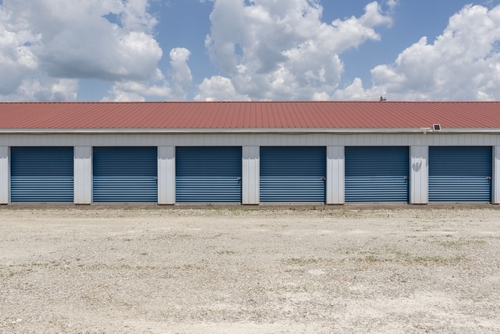
Replacing a commercial garage door involves more than just choosing a new door and scheduling an installation. The wrong door type, inaccurate measurements, or overlooked safety requirements can lead to unnecessary expenses, equipment problems, and interruptions to your daily business operations.
Most commercial garage door replacement mistakes happen during the planning process. Business owners may focus on the initial, upfront costs without considering how often the door will be used, the condition of existing hardware, or the maintenance needed after installation.
Understanding these common mistakes can help you choose the right commercial door system, avoid installation problems, and reduce the risk of unexpected downtime. In this article, we’ll discuss the most common commercial garage door service mistakes we see business owners make and how you can avoid them to get back to what matters: running your operations.
1. Selecting Wrong Door Types
Not all commercial garage doors are designed for the same purposes. A warehouse loading dock, automotive repair shop, and retail storage facility all have different requirements for security, insulation, durability, and daily operation.
One common mistake is choosing a replacement door based primarily on price or appearance without considering how your business will actually use the opening.
The most common commercial door options include:
- Sectional overhead doors: Commonly used in warehouses, automotive facilities, and commercial buildings that need overhead access.
- Rolling steel doors: Often selected for commercial spaces requiring durable construction, security, and compact overhead storage.
- Insulated commercial doors: Help limit heat transfer in temperature-controlled facilities and buildings with conditioned interior spaces.
- High-cycle doors: Designed for applications that require frequent opening and closing throughout the workday.
Before choosing a replacement door type, consider the opening size, expected operating cycles, building layout, and security requirements. The Door Pros technicians can work with you to assess the options that best fit your needs.
For businesses located in Palm Desert and the surrounding Coachella Valley, heat exposure and dust are also worth considering when comparing commercial door materials, finishes, and operating components.
2. Improper Measurements
Inaccurate measurements are another common commercial garage door replacement mistake. Even small errors can create installation challenges, particularly when the door opening has limited clearance or an unusual configuration. If you’ve ever had a misaligned door, it was most likely improperly measured.
Proper measurements involve more than checking the width and height of the existing garage door.
A good commercial garage door technician should evaluate:
- Opening width and height: The dimensions needed to select a properly sized replacement.
- Headroom: Available space above the opening for tracks, springs, and other components.
- Sideroom: Clearance along both sides of the opening for necessary hardware.
- Backroom: Interior space needed for the door and track system when fully open.
- Structural conditions: The condition of supporting surfaces and attachment points.
Incorrect measurements can lead to costly repercussions. Result in ordering the wrong door, modifying the opening, or delaying installation while replacement components are obtained.
Having a professional inspect and measure the opening before ordering helps identify potential clearance and installation issues.
3. Overlooking Hardware Compatibility and Safety Requirements
Replacing a commercial garage door does not automatically mean the existing tracks, springs, cables, and operator can be reused.
Commercial garage doors rely on multiple components working together. If the replacement door has different dimensions, weight, or operating requirements, some existing hardware may no longer be compatible.
For example, installing a heavier door without evaluating the spring system and operator can place additional strain on the equipment and affect how the door opens and closes.
Before installation, a skilled technician should inspect:
- Tracks and mounting hardware: Confirm that the tracks, brackets, and attachment points are suitable for the replacement door.
- Springs and cables: Verify that the lifting components match the new door’s weight and configuration.
- Rollers and hinges: Check for wear, damage, and compatibility with the replacement system.
- Commercial garage door operator: Determine if the existing operator can safely handle the new door.
- Safety devices: Inspect and test applicable sensors, controls, and other required safety features.
Improperly installed hardware or incorrect spring adjustments can create serious safety risks. Commercial doors often use high-tension components that require specialized tools and professional training.
A complete installation should include testing the door’s balance, travel, controls, and applicable safety devices.
Working with an experienced commercial garage door installer helps ensure the replacement system is properly configured and tested before returning it to service.
4. Failing to Plan for Business Downtime
Your time is your money. Getting a commercial garage door replacement may temporarily restrict access to loading docks, service bays, storage areas, and delivery entrances.
Failing to plan for these interruptions can affect employees, deliveries, and normal business operations.
For example, replacing an overhead door during peak warehouse shipping hours could delay deliveries or prevent equipment from moving through the opening.
Before scheduling your commercial garage door installation, make sure to ask your contractor:
- How long will the replacement take?
- Will the opening be inaccessible during installation?
- Can the work be scheduled outside peak operating hours?
- Does equipment, inventory, or nearby shelving need to be moved?
- Are additional parts or structural modifications required before installation?
How long your garage door replacement takes depends on the door type, opening size, hardware requirements, and existing site conditions. More complex replacements may require additional time, so be sure to plan ahead. Having these details squared away before installation helps your team prepare, coordinate deliveries, and reduce unnecessary downtime.
5. Skipping Regular Maintenance After Installation
One of the most common commercial garage door maintenance mistakes is assuming a newly installed door will operate without routine inspections or adjustments. Commercial doors used multiple times throughout the day place repeated wear, tear, and demands on springs, rollers, tracks, and operators. Without proper maintenance, worn or damaged components may go unnoticed until the door begins experiencing problems.
Common maintenance mistakes include:
- Skipping routine inspections: Loose hardware, damaged cables, or worn rollers may go undetected.
- Ignoring unusual noises: Grinding, scraping, or changes in operating sounds may indicate mechanical problems.
- Improper lubrication: Using unsuitable products or neglecting recommended lubrication points can contribute to component wear.
- Overlooking safety devices: Damaged sensors or malfunctioning controls can create safety and operational concerns.
- Ignoring damaged weather seals: Worn seals may allow dust, debris, and outdoor air to enter the building.
- Delaying professional repairs: Continuing to operate a malfunctioning door can cause additional damage.
How often you get maintenance should depend on the manufacturer recommendations and need to account for the door’s usage and operating conditions. For commercial buildings in the Coachella Valley, dust accumulation and weather seal condition are important considerations, particularly for frequently used exterior doors.
Scheduling regular commercial garage door maintenance can help identify developing issues, reduce unexpected breakdowns, and keep the system operating properly.
6. Hiring an Inexperienced Commercial Garage Door Replacement Company
Commercial garage doors have different installation and operating requirements than residential garage doors. Hiring a contractor without experience working on commercial systems can lead to incorrect equipment selection, installation problems, and unnecessary delays.
An experienced commercial garage door replacement company should evaluate the existing door, explain available replacement options, and identify potential installation challenges before beginning work.
Before hiring your contractor, ask:
- Do you have experience installing this type of commercial garage door?
- Will you inspect the existing tracks, springs, and operator before recommending a replacement?
- Does the estimate include all necessary hardware and installation work?
- How will the door’s operation and safety devices be tested?
- What manufacturer and installation warranties are included?
- Do you provide commercial garage door repair and maintenance after installation?
Request a detailed estimate proposal that explains the type of door, required components, installation work, and any additional costs.
The lowest estimate may not include everything needed for a complete replacement. Think beyond up front price and compare the scope of work, equipment specifications, and warranty coverage to help you make a more informed decision.
FAQ
1. What are the most common commercial garage door replacement mistakes?
Common mistakes include choosing the wrong door, taking inaccurate measurements, overlooking hardware compatibility, ignoring safety requirements, and hiring an inexperienced installer.
2. How do I know if my commercial garage door needs replacement?
Having frequent breakdowns, structural damage, excessive wear, and recurring repair costs may indicate that replacement is necessary.
3. How long does commercial garage door replacement take?
Most straightforward commercial garage door replacements can be completed within a day. Larger doors, structural modifications, or complex installations may require additional time. Your licensed technicians can provide a more accurate timeframe.
4. Can I reuse my existing commercial garage door opener?
Yes, if the existing operator is in good condition and compatible with the new door’s weight, size, and operating requirements.
5. How often should commercial garage doors be maintained?
Maintenance frequency depends on usage and manufacturer recommendations. High-cycle commercial doors generally require more frequent inspections and servicing.
6. Should I repair or replace my commercial garage door?
Repair is often appropriate for isolated mechanical issues. Replacement may be necessary for extensive structural damage, repeated failures, or when repair costs become excessive.
Avoid Costly Commercial Garage Door Replacement Mistakes With Door Pros
Replacing a commercial garage door starts with understanding your facility’s needs. Selecting the correct door, confirming measurements, evaluating existing hardware, and planning for installation can help prevent avoidable problems that bleed your time and your money.
At Door Pros, we have more than 20 years of commercial garage door experience serving Palm Desert and the surrounding Coachella Valley. Our team helps local businesses evaluate their existing systems, identify suitable replacement options, and address installation and safety requirements.
If your business is planning a replacement, learn more about our commercial garage door replacement services.
Contact Door Pros at 877-787-3667 to discuss your commercial garage door replacement needs and schedule service.