


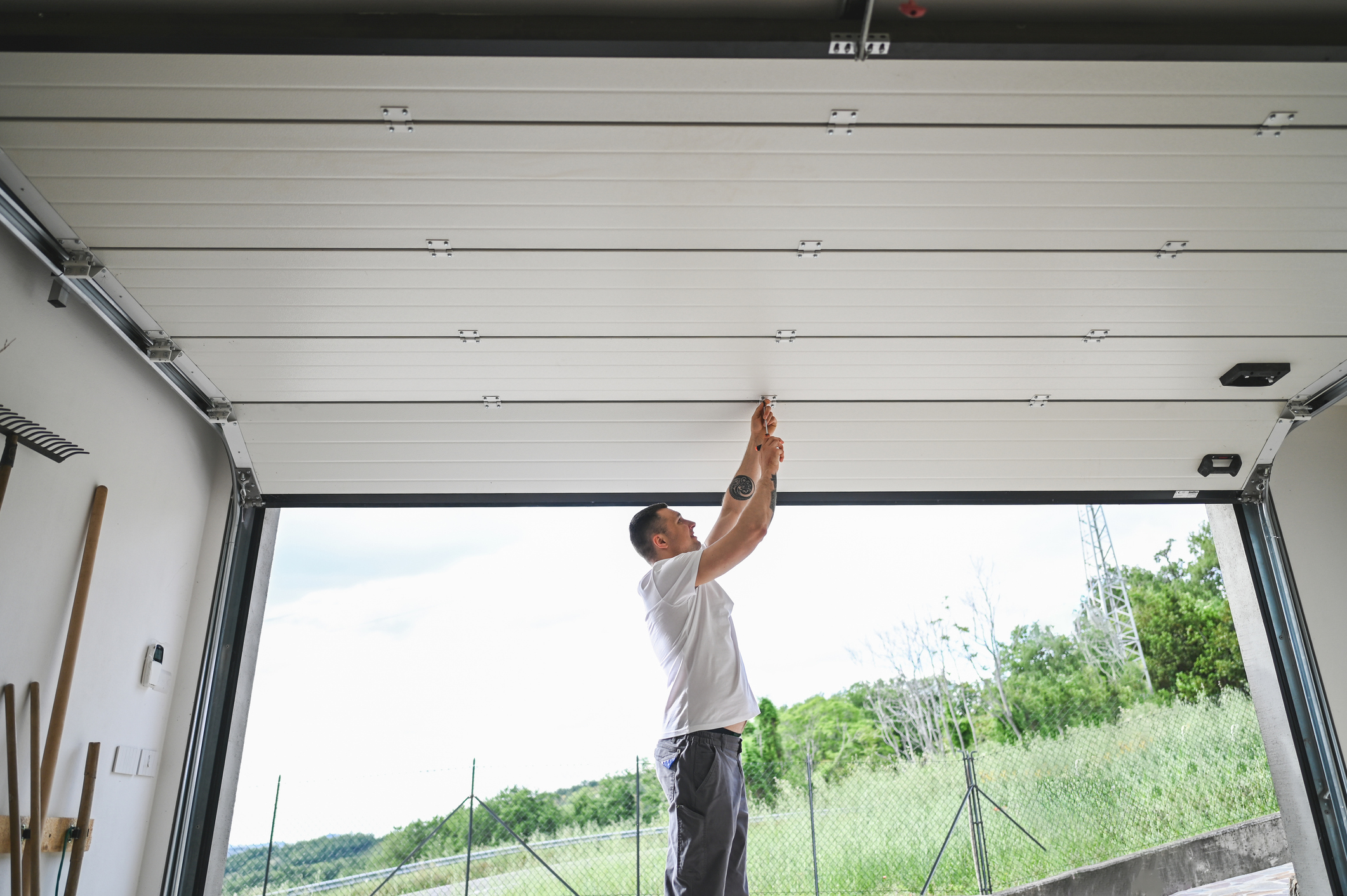
A broken garage door spring can quickly turn from a minor inconvenience into a serious safety hazard. Without a functioning spring, your door may not open or close properly, and trying to force it can lead to injuries or further damage. Learning some essential garage door spring repair tips can save time, money, and frustration.
Whether you’re dealing with a noisy garage door spring or a fully snapped spring, knowing what steps to take can help you stay safe and maintain the integrity of your garage system. These tips will guide you through handling a broken spring, temporary fixes, and preventive measures so you can keep your garage door in top condition until professional service is available:
1. Identify the Type of Broken Spring
Garage doors rely on either torsion or extension springs. Torsion springs sit above the door, wound tightly under tension, while extension springs run along the sides. Identifying the type that has failed is crucial, as it dictates the correct repair method. Confusing them can lead to serious injury, so avoid DIY fixes with high-tension springs. For safety and peace of mind, always consider professional help when dealing with garage door springs.
2. Avoid Risky DIY Repairs
Trying to repair a spring yourself is dangerous due to the high tension in these components. Even small mistakes can cause serious injury or damage to the door. Instead, search for “garage door opener repair near me” and call professionals who can safely handle spring replacement and door realignment. Investing in expert help ensures the door operates reliably and protects your safety.
3. Disconnect the Garage Door Opener
Before attempting to lift the door manually, always disconnect the garage door opener. This prevents accidental activation, which could worsen the situation or cause the door to slam unexpectedly. Once disconnected, you can safely attempt to lift the door manually if needed, reducing the risk of personal injury or further mechanical damage.
4. Lift the Door Manually With Care
If it’s necessary to open the door temporarily, lift it slowly and evenly. Garage doors are heavy, and without a spring, the weight is no longer balanced. Use locking pliers or clamps on the tracks to hold the door in place while it’s raised. Always have someone assist you and avoid overexertion, as heavy doors can cause serious strain or injuries if mishandled.
5. Pay Attention to Noisy Garage Door Springs
A noisy garage door spring usually signals wear or misalignment. Squeaks, rattles, or loud pops often mean the spring is nearing failure. Paying attention to these sounds and inspecting your door regularly can help spot issues early.
Catching problems in time allows for safe, professional repairs before the spring fully breaks, preventing damage or injury. Routine checks and timely intervention keep your garage door operating smoothly and extend the life of its springs.
6. Understand Garage Door Spring Cost Factors
Repair costs vary depending on several elements. Garage door spring cost factors include spring type, door size, labor fees, and whether additional components need replacement. Torsion springs are generally more expensive than extension springs, and larger doors require heavier-duty hardware. Requesting a detailed estimate from a trusted repair company helps you plan your budget and avoid surprises.
7. Maintain Springs to Extend Lifespan
Routine care is key to preventing unexpected spring failures. Maintaining garage door springs includes cleaning the tracks, lubricating moving parts, and checking for wear or loosened hardware. Regular maintenance not only prolongs the life of your springs but also keeps your door operating smoothly and reduces the likelihood of emergency repairs.
8. Consider Garage Door Replacement When Necessary
If your garage door is older or has multiple spring issues, a garage door replacement may be the most cost-effective solution. Modern doors come with durable springs, balanced systems, and warranties, providing long-term reliability. In some cases, replacing the entire door can save money and reduce the frequency of future repairs.
Conclusion
Dealing with a broken garage door spring can feel stressful, but safety comes first. Springs store a lot of tension, making DIY repairs risky. Regular maintenance, like cleaning and lubrication, can prevent unexpected failures. Understanding repair costs and warning signs also helps you make informed decisions.
While minor adjustments are possible for some, professional repair is usually the safest choice. Taking precautions not only prevents injuries but also extends your garage door’s lifespan. By acting wisely and knowing when to call an expert, you keep your home safe and ensure your garage door continues to operate reliably.
For expert garage door spring repair and maintenance services, trust our professionals at Door Pros! Call 877-787-3667 today for safe, dependable service and keep your garage door functioning smoothly.
FAQs
1. Can I open a garage door with a broken spring myself?
It’s possible but risky. Lift slowly, use clamps for safety, and have someone assist. Professional repair is strongly recommended.
2. How long do garage door springs last?
Springs typically last 7–12 years, depending on usage, maintenance, and door size. Regular inspections can help extend their lifespan.
3. What affects garage door spring repair cost?
Costs depend on spring type (torsion vs extension), door size, labor, and whether additional parts are needed. Larger or heavier doors generally cost more to repair.