

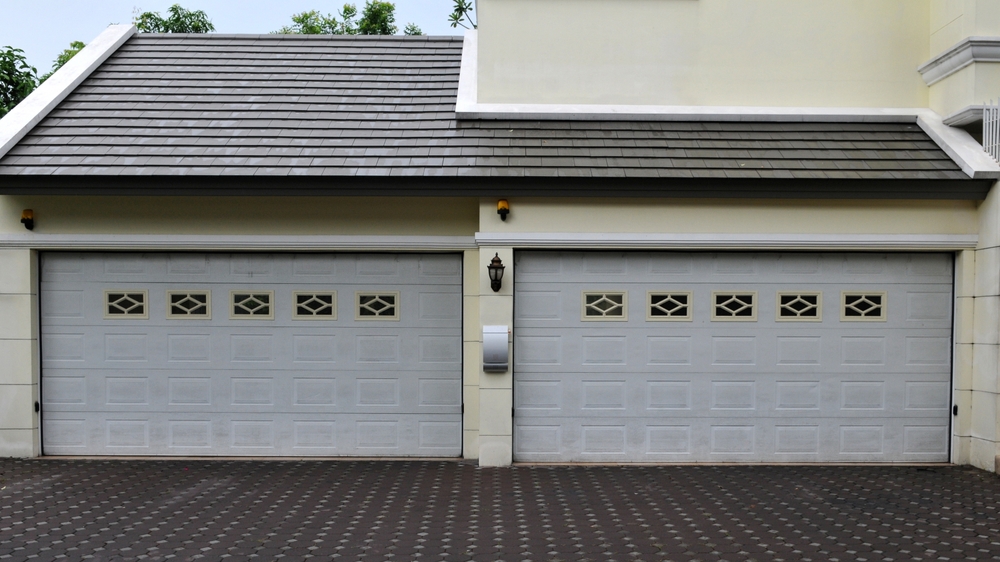
The front elevation of most homes dedicates roughly 30 percent of its visible surface to the garage door, which makes that single design choice carry significantly more weight than homeowners typically appreciate during the shopping process. Modern home designs have moved past the era of plain white panel doors that hide in the background, with custom garage doors in Palm Desert, CA, now playing a central role in defining the architectural character of contemporary residential projects across the valley. The custom market has expanded dramatically over the past decade, offering material combinations, window configurations, and decorative options that simply weren’t available on production line products fifteen years ago. Smart homeowners now treat the garage door as a major architectural feature rather than a utilitarian afterthought, with design choices ranging from minimalist contemporary to elaborate carriage-house themes that anchor the home’s overall aesthetic. The next sections walk through the design directions worth considering, the materials that deliver each look honestly, and the practical considerations that affect both cost and daily satisfaction with the finished result.
1. Contemporary horizontal slat designs for modern architecture
Contemporary architecture has driven the popularity of horizontal slat designs significantly over the past decade, with their clean lines and minimal visual clutter matching current architectural trends precisely. These doors feature long horizontal panels with little or no visible hardware, often paired with narrow strip windows that emphasize the linear aesthetic rather than breaking it. Aluminum frame construction handles these designs particularly well, since the metal allows for clean edges and slim sight lines that wood or steel cannot match without compromise. Pricing for quality contemporary horizontal designs ranges from $3,200 to $5,500 installed for double-car doors, with the wide range reflecting frame finishes, glass options, and any custom panel configurations. The visual impact of this exterior change transforms midcentury modern, contemporary, and minimalist home designs more dramatically than any other single exterior change available in this price range.
2. Carriage house designs that mimic traditional swing doors
Carriage house designs deliver the visual character of traditional wood swing doors while incorporating all the practical advantages of modern overhead operation. The decorative hinges, handles, and panel divisions create the appearance of historic carriage house doors, while the underlying construction provides the insulation, durability, and convenience of contemporary materials. Steel construction with composite overlays handles these designs most economically, with pricing running $2,400 to $3,800 installed for quality double car carriage installations. Premium wood construction pushes pricing significantly higher, with solid mahogany or cedar installations running $5,500 to $8,500 installed for high end residential projects. The aesthetic suits Spanish Colonial, Mediterranean, Tuscan, and traditional architectural styles particularly well, which describes a substantial portion of the residential market across the valley.
3. The practical pricing picture for custom installations
A careful breakdown of the cost of custom garage doors spans a wider range than that of production-line products, since custom installations involve specific engineering, material selection, and finish work that production lines simply cannot accommodate. Entry-level custom designs start at $2,400 to $3,200 installed for steel construction, with basic decorative elements and standard hardware. Mid-range custom installations run $3,500 to $5,500 for premium materials, custom window configurations, and quality decorative hardware packages. High-end custom designs with solid wood construction, oversized dimensions, custom glass treatments, or elaborate decorative work climb to $6,500 to $12,000 installed for premium residential projects. The pricing variation reflects genuine differences in materials, construction quality, and customization rather than arbitrary markup, as homeowners can verify by requesting detailed line-item breakdowns from any contractor preparing a custom quote.
4. Mixed material designs that anchor unique architectural statements
Mixed-material designs combine wood, metal, and glass into unified compositions that anchor distinctive architectural statements for owners seeking truly custom results. A wood frame with bronze metal accents and frosted glass panels creates one possibility, while painted steel with cedar overlay sections and clear glass at the top delivers an entirely different effect for the same home. Custom hardware in matched finishes ties the design elements together, with handles, hinges, and decorative bolts available in dozens of finishes from major manufacturers. Pricing for mixed-material custom designs ranges from $4,500 to $8,500 installed for quality double-car configurations, with the variation reflecting material costs and the complexity of the construction work required. These installations work best for homeowners with strong design preferences who want their garage door to stand out as a deliberate architectural feature rather than blend quietly into the background.
5. The ongoing care that keeps custom installations looking sharp
Once custom installations are complete, the ongoing care directly affects how the door ages across the next two decades of ownership. Annual cleaning with appropriate products preserves powder-coat finishes, while wood components need refinishing every 2 to 3 years to maintain their visual character in desert conditions. Hardware lubrication every six months prevents premature wear on hinges, rollers, and the decorative elements that anchor the visual design. Coordinate this regular care with garage door opener maintenance in Indian Wells, CA, since the same technician handling opener service can usually run the door inspection and minor adjustments during the same visit at minimal additional cost. The combined annual service typically runs $150 to $275 for the complete inspection and care package, which protects the substantial investment in the custom installation across years of ownership.
Conclusion
Custom garage door design has evolved into a genuine architectural opportunity that elevates modern homes in ways production line products simply cannot match. Contemporary horizontal designs, carriage house themes, and mixed material installations each serve specific architectural directions, with pricing that scales naturally with material quality and customization complexity. The ongoing care matters significantly for protecting the investment, particularly in desert conditions that punish neglected exterior features. Work with experienced custom installers who specialize in residential design rather than production line installers, since the design conversation and execution quality differ substantially between these contractor categories.
“Striking designs, custom finishes, sharp installs. Call Door Pros at 877-787-3667 today. Our team designs, fabricates, and installs the door your home deserves.”
FAQs
Q1: How much do custom garage installations typically cost in Palm Desert, CA?
Most quality custom installations in this area run between $2,400 and $8,500 installed, depending on materials, complexity, and decorative elements selected. Premium installations with solid wood construction or elaborate custom features can push pricing to $12,000 or more for high-end residential projects.
Q2: How long do custom garage door projects take in the Coachella Valley?
Manufacturing lead times for custom installations typically run 6 to 10 weeks for quality designs, stretching to 12 to 14 weeks for solid-wood construction or unusually complex configurations. Installation day itself lasts 4 to 7 hours once the door arrives on site.
Q3: When is the best time to schedule a custom garage installation in the Coachella Valley?
Late fall through early spring offers cooperative weather and shorter wait times for custom projects. Plan the design phase three months ahead of the desired completion date, since the manufacturing lead times for custom work require careful project scheduling.