


Stand out front of two different commercial buildings, and you’ll very often spot two completely different doors quietly doing the same basic job, one folding up into the ceiling in big flat panels, the other coiling into a tight little roll right above the opening. The whole sectional vs rolling steel doors comparison really comes down to how each one physically moves, what it’s actually built out of, and which specific problems it was originally designed to solve. Both of them seal an opening and keep a building secure, sure, but they go about that job in almost completely opposite ways. A sectional door rides up overhead on a pair of tracks in hinged horizontal sections, while a rolling steel door winds itself up into a compact barrel like a heavy metal scroll. Picking between the two isn’t really about which one is better in some abstract vacuum, it’s about carefully matching the door to the building, the climate, and the way that space actually gets used. Here’s exactly how the two genuinely stack up against each other where it really counts.
1. How a Sectional Door Actually Works
A sectional door is built from several horizontal panels, all hinged together, the very same basic idea as a residential garage door, but scaled way up for heavy commercial duty. When it opens, those panels roll back along the tracks and tuck up parallel to the ceiling, which naturally means it needs both decent headroom and back room to operate fully. The panels themselves can be insulated, and that one feature makes sectional doors a genuinely strong pick anywhere temperature control actually matters to you. They also tend to run quite smoothly and relatively quietly, and a single damaged panel can usually be swapped right out without replacing the entire door. The real trade-off is that they consume valuable overhead space and expose more moving parts than the alternative.
2. How a Rolling Steel Door Earns Its Reputation
A rolling steel door takes a genuinely completely different path to the same goal. Instead of flat panels riding along a track, it’s made of interlocking steel slats that coil up tightly around a barrel mounted just above the opening, taking up almost no real ceiling space at all. That clever compact design makes it absolutely ideal anywhere headroom is scarce, or the building layout happens to be especially tight. Built from heavy-gauge steel, these doors are seriously tough, highly secure, and readily available in fire-rated versions for code-sensitive openings. They cheerfully shrug off the kind of daily abuse that would easily dent a sectional panel, which is exactly why you spot them on storefronts, parking structures, and high-traffic security openings everywhere.
3. Matching the Right Door to the Actual Job
With both designs clearly laid out on the table, the real decision gets refreshingly practical pretty fast. Choosing the right commercial door always starts with the physical space you actually have, since a cramped opening with no ceiling room flatly rules out a sectional and points you straight toward rolling steel. Next up comes the climate question, because an insulated sectional clearly wins for conditioned warehouses while a bare rolling door suits an open, unheated space just fine. Then you carefully weigh the required security level and cycle frequency, your actual daily traffic, and, of course, the ever-present budget. There’s honestly no universal best answer lurking here, only the one door that genuinely fits how your particular building really operates day to day.
4. Which One Honestly Takes a Beating Better
Raw toughness is really where these two designs start to separate. In any honest industrial door durability comparison, rolling steel usually comes out clearly ahead on sheer resilience and hard security, with far fewer exposed parts and tough slats that nicely resist both dents and forced entry. Sectional doors are certainly no pushovers either, but their individual panels are simply more vulnerable to a hard impact, though the genuine upside is that you can just replace a single panel instead of the entire unit. Rolling doors also tend to handle very high cycle counts gracefully over time, making them a great fit for round-the-clock operations. Carefully match the door’s real strengths to your actual wear pattern and it reliably lasts far longer.
5. Where Each One Naturally Belongs on the Property
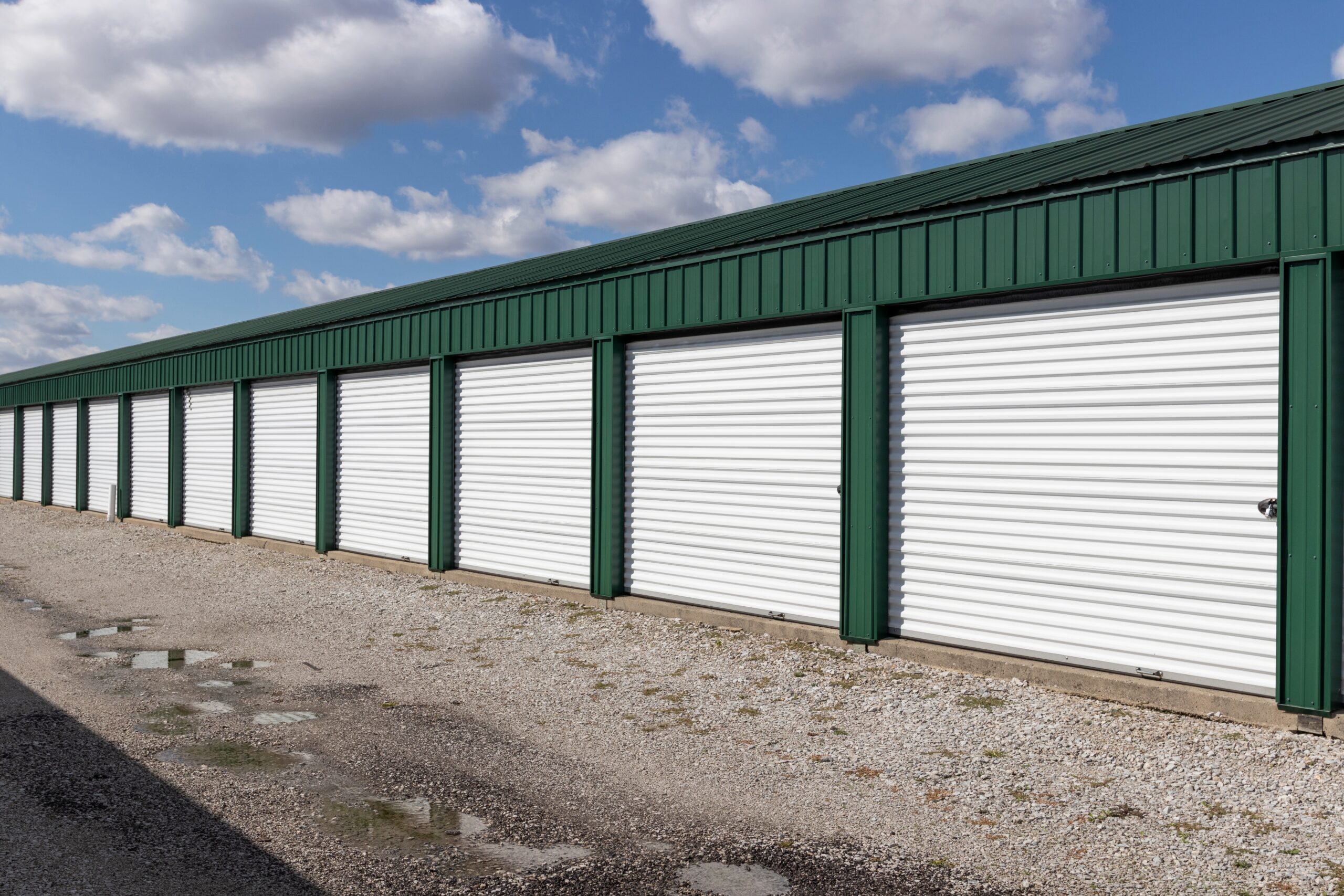
Application is really the final filter in all of this, and honestly it clears up an awful lot at once. When people sit down to compare loading dock door types, insulated sectional doors very often win out there, since they seal up tightly against the dock shelters and reliably hold temperature for refrigerated or climate-controlled freight. Rolling steel, meanwhile, completely dominates the security-first and space-tight spots like storefront grilles, parking entrances, and busy self-storage facilities. Out here in the desert heat especially, that insulation factor firmly pushes conditioned buildings toward sectional, while open industrial yards comfortably lean rolling steel. Carefully map each door type to its natural home, and the right choice very nearly makes itself for you.
Conclusion
Sectional and rolling steel doors really aren’t bitter rivals so much as they’re focused specialists, each one carefully built to clearly win in a very different situation. Reach confidently for a sectional whenever you genuinely need insulation, quiet operation, and replaceable panels, and you happen to have the ceiling room to spare for it. Reach instead for rolling steel whenever your space is tight, security is absolutely paramount, or the door is going to take a daily physical pounding. The single smartest move is always to start first with your building’s real constraints, the headroom, the climate, the traffic, and the security, and then simply let those answer the whole question for you. Get that match right, and the door quietly does its job for decades on end. Get it wrong, though, and you’ll be fighting the wrong tool every single day.
“Not sure which commercial door fits your building? Call Door Pros at 877-787-3667, and we’ll match sectional or rolling steel to your space and budget.”
FAQs
Q1: Should I choose a sectional or rolling steel door for my business in Palm Springs, CA?
For businesses in Palm Springs, CA, it depends on your space and climate. An insulated sectional door suits conditioned warehouses with ceiling room, while a rolling steel door fits tight openings and security-first spots like storefronts and parking entrances.
Q2: Which commercial door is more durable and secure?
In Palm Springs, CA, rolling steel doors generally lead on durability and security, with heavy-gauge slats that resist dents and forced entry and handle high cycle counts. Sectional doors are sturdy too, with the bonus that you can replace a single damaged panel.
Q3: What type of door is best for a loading dock?
For loading docks in Palm Springs, CA, insulated sectional doors are often preferred because they seal tightly against dock shelters and hold temperature for refrigerated freight. Rolling steel is better where security and limited space are the bigger concerns.