


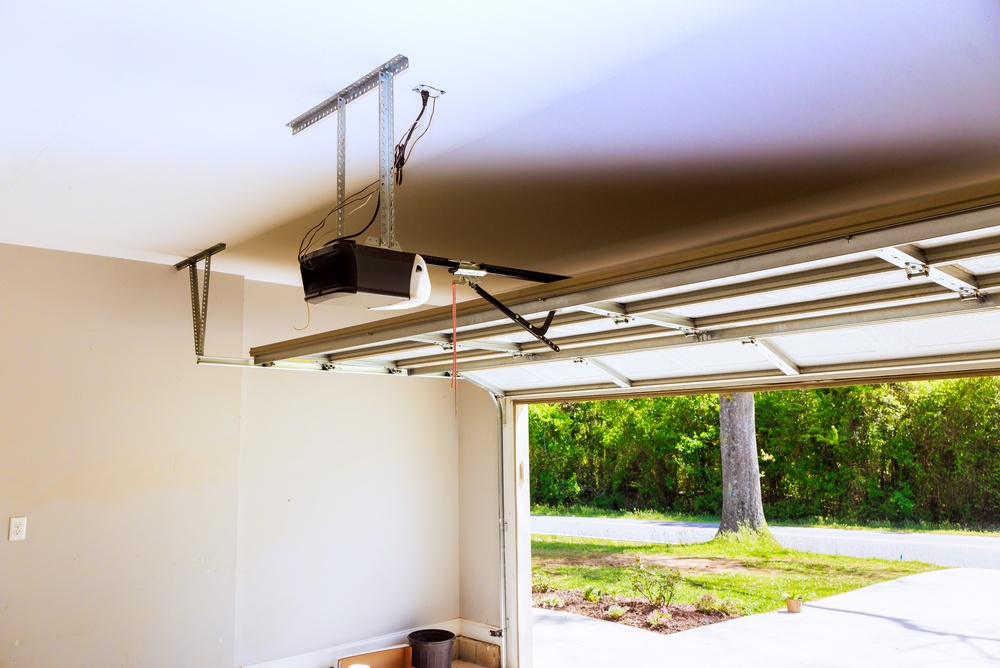
Some household appliances fail dramatically, with a loud noise and an obvious symptom. Garage door openers prefer the slow goodbye, dragging out their decline over months or even years, with small complaints that homeowners learn to ignore. By the time a real conversation about garage door opener replacement in Palm Desert, CA, finally happens, the unit has usually been giving warning signs since the previous summer, and the family has just been working around the quirks rather than acting on them. Openers built before 2005 typically don’t include the safety features now required by code, and units approaching 15 years of service often have multiple components nearing failure at the same time. The desert climate accelerates this aging curve significantly, since extreme heat punishes capacitors, control boards, and motor windings in ways that cooler markets simply don’t experience. The next sections walk through the real signals that separate a minor service call from a genuine replacement decision.
1. The noises that say something more serious is happening
Every opener makes sound during operation, but the type of sound tells a clear story about what’s happening inside the housing. Healthy openers run with a consistent low hum, smooth chain or belt movement, and predictable clicks at the start and finish of each cycle. Failing units develop grinding noises that point to worn gears, high pitched squeals that signal motor bearings reaching the end of life, or rhythmic clunking sounds from misaligned chains or stretched belts. Persistent humming with no door movement means the motor is trying to engage but the gear assembly has failed mechanically. Sounds that suddenly appear after years of quiet operation rarely improve on their own, and the repair window for any of these symptoms closes faster than most homeowners expect.
2. Performance issues that point past simple repair
Beyond noise, an opener’s operational behavior provides clear signals about its remaining useful life. Doors that hesitate during the lift cycle, reverse partway through closing, or fail to respond reliably to remote signals all indicate cascading problems inside the unit. A slower travel speed than the original performance suggests the motor is losing torque, while erratic stopping points along the track indicate control board failures or sensor degradation. Remotes that work intermittently or require multiple presses to register usually mean the receiver inside the opener is failing, not just dying remote batteries. These performance signals separate genuine replacement candidates from openers that just need a tune up, and they’re hard to ignore once you start paying attention to them.
3. The signs that point clearly to replacement
A clear list of replacing garage door opener signs comes down to a handful of definitive indicators that any qualified technician will recognize on a service visit. Age beyond 12 to 15 years moves an opener into automatic-replacement territory, regardless of current performance, since component failures cascade rapidly at that point. Missing or non-functional safety reverse on either the photo eyes or the mechanical contact reverse means the unit no longer meets federal safety standards and cannot be legally serviced back into compliance on older designs. Visible damage to the motor housing from heat, moisture, or impact renders repair impossible. Repair costs exceeding 50 percent of replacement value on any single visit point clearly indicate the need for new equipment, especially given the substantial improvements in safety, security, and smart features available in current-generation openers.
4. Why modern openers actually justify the upgrade
The features available on current-generation openers go well beyond the original lift-and-lower function of older designs. Wi-Fi integration enables smartphone control, activity logging, and remote operation from anywhere, which transforms how the door fits into daily routines. DC motors with soft-start and soft-stop technology reduce operating noise by 60 percent or more compared to original AC chain-drive systems, which matters significantly for homes with bedrooms over or adjacent to the garage. Battery backup systems keep the door operational during power outages, a meaningful upgrade in a region with summer grid stress. LED light packages built into the opener provide significantly better visibility than the old incandescent bulbs, while safety reverse sensors meet current standards rather than the looser requirements of fifteen years ago.
5. The cost math that ties it all together
Replacement pricing in this market lands in a predictable range for quality residential units installed by reputable contractors. Standard chain-drive models run $400 to $650 installed, while belt-drive units, favored for noise-sensitive installations, climb to $500 to $850. Wi-Fi-enabled smart openers with battery backup typically run $650 to $1,100 installed, with premium models pushing past $1,400 for high cycle applications or heavy door installations. Compare those numbers against the typical $200 to $500 spent on a single major repair to an aging unit, and the math turns favorable for replacement once any opener crosses the ten year service mark. Factor in the energy savings from modern DC motors and the avoided emergency repair calls, and the actual lifetime cost of replacement drops significantly below what the sticker price suggests.
Conclusion
Garage door openers give plenty of warning before they finally quit, but homeowners often miss the signals or dismiss them as minor annoyances. Recognizing the noise patterns, the performance issues, and the age based replacement triggers saves real money and avoids the worst case scenario of a complete failure during a busy morning. The features available on modern openers justify the upgrade on their own merit beyond simple reliability concerns. Schedule the replacement before the next summer heat wave or windy spring stretch puts additional stress on tired components. A well chosen replacement runs quietly and reliably for the next fifteen years.
“Tired opener, loud cycles, missed safety features? Phone Door Pros at 877-787-3667 today for honest pricing on a fresh unit, installed in one short visit.”
FAQs
Q1: How long does a garage door opener last in Palm Desert, CA?
Most quality openers run reliably for 12 to 15 years in this climate, with premium DC-drive models often pushing past 20+ years of service. The desert heat accelerates wear on capacitors and control boards, so plan for replacement on the shorter end of that range for older designs.
Q2: How much does a typical opener replacement cost in the Coachella Valley?
Standard installations run between $400 and $850 across chain drive and belt drive options, with smart Wi-Fi enabled units climbing to $650 to $1,100 installed. Premium models for heavy doors or high cycle applications can reach $1,400 or more.
Q3: When should homeowners in the Coachella Valley schedule an opener replacement?
Late fall through early spring offers the best combination of installer availability and cooperative weather for the installation itself. Booking three to four weeks ahead helps secure your preferred install date before the busy season starts in November.