


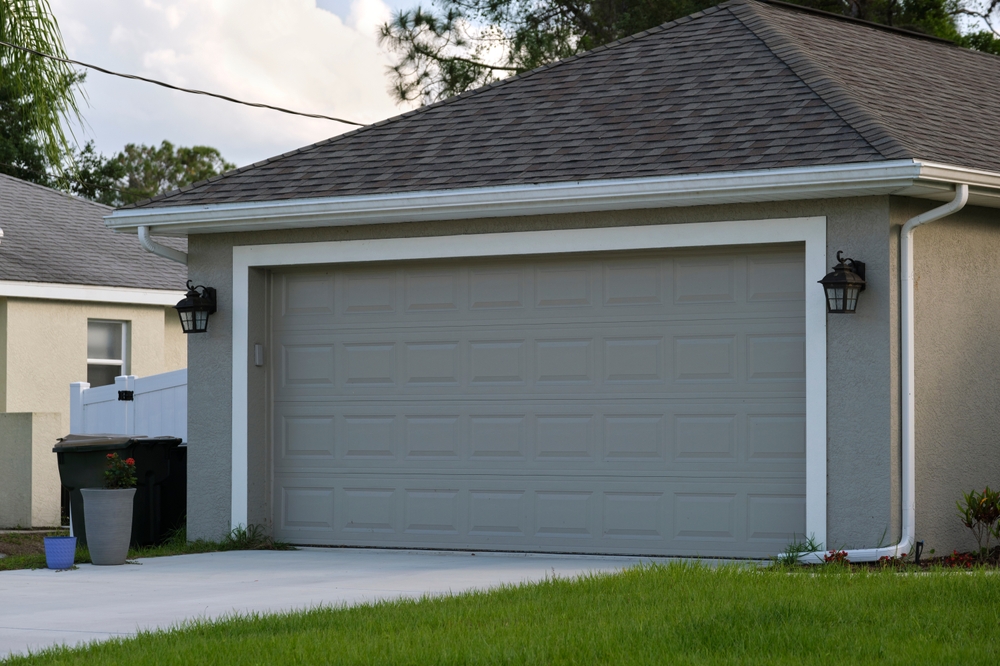
Garage doors have a strange way of becoming invisible to the people who use them every single day. The slight scrape during the lift cycle, the dent that’s been there since the rear bumper backed into the panel three years ago, the faded paint where the afternoon sun has been working since the original install, all of it fades into background noise that homeowners stop noticing within weeks. Most folks researching garage door replacement in Rancho Mirage, CA, finally start the conversation only after a guest mentions the door’s tired appearance during a visit, or a real estate agent notes the curb appeal issue during a home valuation. Knowing which signs genuinely justify replacement versus which ones can wait helps homeowners make smart decisions about timing and budget allocation. Some symptoms point clearly toward new equipment as the smart path forward, while others amount to minor issues that resolve with simple repair work. The next sections walk through the real signals worth watching across the years of normal ownership.
1. Visible damage and aesthetic concerns that signal the end
Visible damage tells the clearest story about when replacement makes more sense than continued repair of an aging door. Cracks running across panel sections, especially horizontal cracks that develop in lower panels exposed to vehicle bumps and sprinkler overspray, indicate structural failures that simple repair work cannot address effectively. Dents in multiple panels accumulate over years of normal use, and once five or six visible dents spread across the door surface, the cumulative effect noticeably ages the home’s curb appeal. Paint failures, rust spots, and significant fading reflect material deterioration, signaling that the underlying surface has reached the end of useful service. These aesthetic issues directly affect property values during real estate transactions, with appraisers documenting tired garage doors as significant deductions from curb appeal during property assessments.
2. Operational problems that point past simple repair
Performance issues during daily operation often reveal deeper problems that justify replacing aging equipment rather than continuing repair attempts. Doors that no longer travel smoothly through their full range of motion, that hesitate at specific points along the track, or that require manual assistance to complete normal cycles signal cumulative wear across multiple components reaching end of life simultaneously. Operating noise that has increased dramatically over the past year or two reflects bearings, rollers, and hinges all aging together, with replacement on aging units rarely solving the underlying noise issues for long. Tracks that have developed kinks, bent sections, or misalignment from years of use require significant repair work, often costing more than fresh equipment when properly factored in. These cumulative operational problems rarely improve with continued repair investment in doors that are more than 15 years into their service life.
3. The pattern of repair calls that points clearly toward replacement
A useful checklist of signs you need to replace your garage door covers several specific patterns that any homeowner can recognize without specialized inspection knowledge. Multiple repair calls over the past two or three years clearly point toward replacement, since cumulative spending on aging equipment typically approaches or exceeds the cost of fresh installation. Springs that have already required replacement once, with cables showing significant wear at the same time, signal that the entire mechanical system has reached collective end of life. Energy efficiency concerns also factor into this analysis, since older single layer doors allow significant thermal transfer that affects cooling bills measurably during summer months. When repair costs exceed 50 percent of the replacement value on any single service call, the math clearly points to new equipment as the smarter investment.
4. Safety and security concerns that demand attention
Several specific safety and security concerns push the replacement decision firmly toward fresh equipment regardless of how the door otherwise appears to function. Doors built before 1993 lack the federally mandated photo-eye safety reverse system, making them potentially dangerous for households with children or pets, despite their appearance of normal operation. Older opener systems integrated into these aging doors carry fixed code remote technology vulnerable to code grabbing attacks, providing significantly less security than modern rolling code systems. Visible damage compromising the door’s ability to seal tightly creates security vulnerabilities through gaps that allow determined intruders to gain access. Wind ratings on older doors often fall below current code requirements, creating insurance and safety concerns during the windy stretches that hit the valley every February and March.
5. Energy efficiency factors that affect monthly utility bills
Energy efficiency concerns rarely drive replacement decisions on their own, but combined with other factors they significantly support the timing of fresh installation. Single layer doors common on installations from the 1990s and early 2000s carry R 2 to R 4 insulation ratings, which allow garage temperatures to climb past 140 degrees during August afternoons. That thermal stress transfers aggressively into adjacent walls and ceilings shared with conditioned living space, forcing the home cooling system to work significantly harder during peak summer demand. Modern insulated doors with R12 to R18 ratings reduce this thermal transfer dramatically, with measured cooling cost savings of $40 to $90 annually in attached garage configurations. Bundle the replacement with other home improvement work, like a parallel garage door replacement in Indio, CA, project on a rental property to capture meaningful efficiency gains across labor and trip charges scheduled together.
Conclusion
Knowing when to replace versus repair comes down to recognizing the cumulative pattern of signals rather than waiting for any single dramatic failure to force the timing decision. Visible damage, operational problems, repair history, safety concerns, and energy efficiency all combine to provide an honest analysis that points to the right timing for installing new equipment. The decision benefits from running real numbers rather than emotional attachment to existing equipment that has served well across many years of household use. Quality modern installations deliver 15 to 20+ years of reliable service with significantly better aesthetics, safety, and energy performance than older doors can match, regardless of any repair investment.
“Tired panels, loud cycles, energy waste. Phone Door Pros at 877-787-3667 today, fresh doors installed in one short day with a written warranty included.”
FAQs
Q1: How long does a typical garage door last in Rancho Mirage, CA?
Quality residential doors deliver 20 to 25 years of service in this climate before requiring replacement, with maintenance affecting that range significantly. Doors that receive regular care often push past 25 years, while neglected installations may reach the end of life by year 15.
Q2: How much does a typical door replacement cost in the Coachella Valley?
Most installations in this area run between $1,200 and $3,800 for quality insulated steel doors, depending on door size and feature selection. Premium materials and custom designs push pricing higher into the $5,500 range for high end residential projects.
Q3: When is the best time to schedule a door replacement in the Coachella Valley?
Late fall through early spring offers cooperative weather and shorter wait times for exterior projects. Booking three to four weeks ahead helps secure your preferred install date during the busy November to April installation season.