


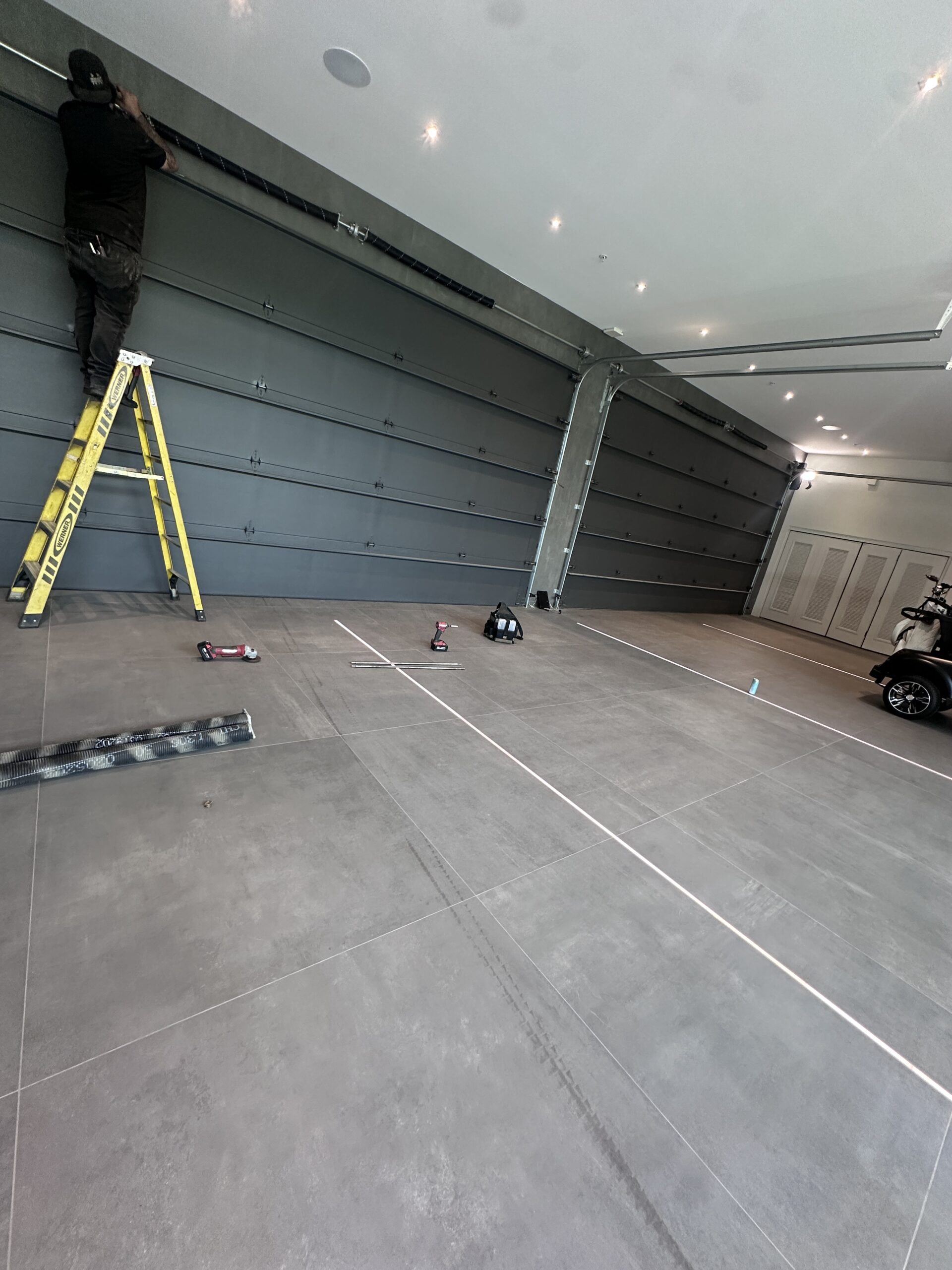
A garage makes for a wildly tempting studio, all that open square footage and that lovely separation from the rest of the house, right up until you hit record and the neighbor’s leaf blower bleeds straight into your vocal take. Figuring out how to soundproof a garage door is almost always the genuine make-or-break step here, because that big flat panel of thin metal is by far the single weakest point in the entire room. Sound leaks straight through it in both directions at once: your drums escape outside to annoy the whole street, while traffic, barking dogs, and gusting wind pour right back in to quietly ruin your recordings. The door is also absolutely riddled with gaps around all its edges and rides on a track that practically invites noise to sneak through. Before you spend a single dime on fancy microphones, this is the one surface that quietly decides whether your space sounds like a real studio or a hollow tin shed. The encouraging news is that a few well-tested principles handle the vast majority of it.
1. Knowing Exactly What You’re Actually Fighting
First, a key distinction that genuinely trips up nearly everyone who starts down this road: soundproofing and acoustic treatment are two completely different jobs. Soundproofing physically blocks sound from getting in or out of the room, while treatment shapes how sound behaves once it’s already inside, and you’ll honestly want both of them eventually. The garage door fails so badly at blocking precisely because it’s lightweight, mostly hollow, and full of little leaks, three things that sound absolutely adores. Real isolation comes down to four core ideas all working together: adding raw mass, sealing every last gap, decoupling surfaces so vibration can’t travel, and then absorbing whatever sound is left over. Keep those four firmly in mind and every choice below suddenly starts to make real sense.
2. Adding Heavy Mass and Filling the Empty Spaces
The single biggest win of the whole project comes from seriously beefing up that flimsy door and the bare walls surrounding it. Insulating garage for noise reduction means tightly packing the open wall cavities with dense mineral wool and then lining the door panels with rigid foam board or, far better still, heavy mass-loaded vinyl. Mass is genuinely what stops sound dead, so the heavier and denser you manage to make these surfaces, the less noise actually gets through any of them. On the door specifically, layering that vinyl behind a solid sheet of plywood quietly turns a vibrating drum into something far closer to a real wall. It honestly won’t look pretty, but your ears and your weary neighbors will both thank you for it.
3. Taming the Harsh Echo Once You’re Finally Inside
Block out the whole outside world and you’ll suddenly notice just how harsh and boomy the bare concrete room actually sounds on its own. That’s exactly where acoustic panels for garage walls come into play, soaking up the slap-back and the flutter echoes that endlessly bounce between hard, parallel surfaces. Hang thick absorption panels right at your first reflection points, then tuck dense bass traps into the corners where the low frequencies pile up and turn everything muddy. Don’t go and completely drown the room in foam, though, since a totally dead space ends up sounding strangely unnatural and lifeless to actually record in. A careful, balanced mix of solid absorption and a little controlled reflection is what truly gives your recordings their crispness and clarity.
4. Pulling the Whole Room Properly Together
With the heavy isolation and the inside treatment both handled, the rest of creating a garage music studio is really all about the small details that make it genuinely usable day to day. A thick area rug or a proper floating floor laid over that bare concrete kills annoying footstep noise and stops sound from telegraphing through the slab. Out here in particular, the heat is absolutely no joke, so plan for quiet cooling carefully, since a roaring window unit completely defeats the purpose halfway through a hot take. Good warm lighting, a sealed entry door, and a tidy cable run together transform a dusty garage into a space you genuinely want to work in. Build it just once, build it right, and the room pays you back every single session.
5. The Sneaky Gaps Almost Nobody Thinks to Seal
Even a genuinely heavy door will leak sound like a cheap sieve if its edges aren’t properly sealed, so this particular step is flatly non-negotiable. Run fresh weatherstripping around the entire perimeter and fit a thick bottom seal that fully meets the floor below, since the gap under the door is a wide-open highway for noise. For truly serious isolation, the single best move is building a separate insulated stud wall a few inches in front of the existing door, deliberately creating the air gap that decoupling experts quietly swear by. That pocket of dead space trapped between two solid barriers does far more good than either one alone. If construction honestly isn’t your thing, this is exactly where a pro saves you a real heap of grief.
Conclusion
Turning a plain garage into a real recording space genuinely lives or dies on that one door, but it’s an entirely beatable problem with the right plan. Add real mass to the door and the walls, seal every last sneaky gap, decouple the surfaces wherever you possibly can, and absorb the reflections bouncing around inside, and those four principles quietly do all the heavy lifting. Layer in a floating floor, some quiet cooling, and ideally that false wall standing in front of the door, and even a baking desert garage can end up sounding surprisingly professional. None of it is the least bit glamorous, and some of it is genuine sweaty labor, but the difference between a leaky box and a tight room is night and day on tape. Get that door right first, and the rest of the studio finally has a fighting chance.
“Building a studio in your garage? Call Door Pros at 877-787-3667, and we’ll seal, insulate, and soundproof that door so only your music gets out.”
FAQs
Q1: How do I soundproof a garage door for a studio in Coachella, CA?
For studios in Coachella, CA, start by adding mass to the door with mass-loaded vinyl and plywood, then seal every edge with fresh weatherstripping and a thick bottom seal. For the best results, build an insulated false wall a few inches in front of the door.
Q2: Is insulating my garage enough to block outside noise?
Insulation helps in Coachella, CA, by filling wall cavities with dense mineral wool, but it’s only part of the job. You also need added mass, sealed gaps, and decoupled surfaces, since insulation alone won’t stop sound from leaking through the thin door.
Q3: What’s the difference between soundproofing and acoustic panels?
In a Coachella, CA, garage studio, soundproofing blocks noise from entering or leaving, while acoustic panels control echo inside the room. You’ll want both: mass and sealing to isolate the space, then panels and bass traps to make recordings sound clean.