Garage Door Opener Services: The Complete Homeowner Guide to Safety, Performance, and Smart Control

garage door opener service guide book

Your garage door opener may seem like a simple convenience, but in reality, it is one of the most important mechanical systems protecting your home. It controls access, manages safety, supports daily routines, and quietly handles hundreds, sometimes thousands, of cycles every year.

When it works well, it blends into the background. Honestly,​‍​‌‍​‍‌​‍​‌‍​‍‌ the pretty much instant consequence of such a failure is the total disruption of your day, while the possibility of your home’s security being compromised is there, too.

We at Door Pros, garage door opener services, are treated as if done for the owners of the houses, and by professionals conducting a very close inspection of the situation. This manual is your thorough insight into the functioning of openers, comprehension of symptom development, and realization of how a service done by a professional can be a source of your home’s safety in the distant ​‍​‌‍​‍‌​‍​‌‍​‍‌future.

1. Why the Garage Door Opener Matters More Than Most Homeowners Realize

For many families, the garage door is the most-used entrance to the home. That makes the opener not just a convenience device, but a core part of daily living and household security.

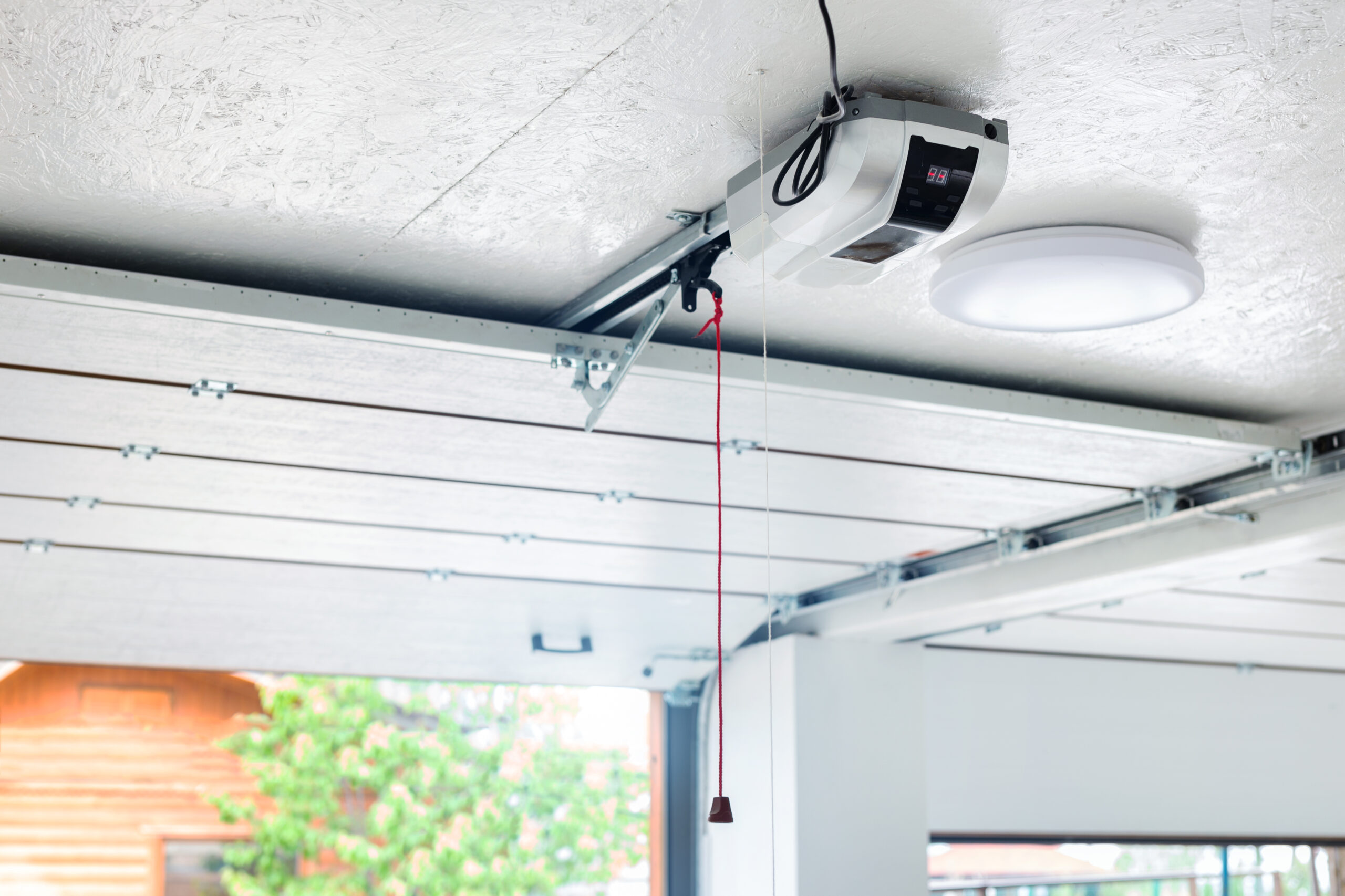
A garage door opener does far more than lift and lower your door. It manages security, controls daily access, and supports the overall balance of the entire garage door system.

When the opener is working correctly, everything feels seamless. When​‍​‌‍​‍‌​‍​‌‍​‍‌ they are unfit, people living in the house are usually exposed to safety risks, they get delayed, and other parts of the garage take unnecessary strain.

A well-functioning opener:

If a garage door is hard to open, then it is very likely that the entire system will be put under extra pressure. This pressure, over time, will result in repair costs that will be more than just the replacement of the ​‍​‌‍​‍‌​‍​‌‍​‍‌opener.

2. How Garage Door Openers Work (Without the Technical Overload)

Every garage door opener operates on a simple principle: controlled force combined with intelligent safety monitoring.

When you press a wall or remote button:

Behind this simple sequence is a balance of electronics, mechanics, and calibration. Even small misalignments can cause jerky movement, noise, or safety failures, which is why professional service matters.

3. Garage Door Opener Drive Types: Choosing What Fits Your Home

Choosing the right drive type affects how quietly your door operates, how much maintenance is required, and how long the opener will last under daily use. Different opener styles exist because no two homes, or homeowners, are exactly alike.

Chain Drive Openers

The chain drive systems use a metal chain to lift and lower the door. They​‍​‌‍​‍‌​‍​‌‍​‍‌ are characterized by power and a high degree of reliability.

Best suited for:

Considerations:

Belt Drive Openers

Belt drive openers utilize reinforced rubber belts for smooth movement.

Why homeowners love them:

They are more expensive than chain drives, but a lot of homeowners think that the comfort upgrade is definitely worth the price.

Screw Drive Openers

Screw drive openers work with a threaded steel rod to move the garage door and have fewer moving parts, which means they commonly require less maintenance.

Advantages are:

On the other hand, they may be quite sensitive to temperature changes and thus, not suitable for every climate.

Wall-Mounted (Jackshaft) Openers

These systems, which are mounted beside the door instead of on the ceiling, provide a modern, space-saving solution.

Perfect for:

4. Everyday Warning Signs Your Garage Door Opener Needs Attention

Garage door openers rarely fail suddenly. They almost always give subtle warnings first.

Common signs homeowners notice include:

Slower opening or closing

Usually,​‍​‌‍​‍‌​‍​‌‍​‍‌ a slow response to a garage door movement is a sign that the motor that opens the door is under a heavy load, and the internal parts are getting worn. Apart​‍​‌‍​‍‌​‍​‌‍​‍‌ from that imbalance and absence of lubrication may also be the reasons for the increased resistance.

Hesitation to movement

When you experience a delay between pressing the remote and the door moving, it is most likely that the cause of the problem is electrical issues, sensor misalignment, or a motor that is going to ​‍​‌‍​‍‌​‍​‌‍​‍‌fail. Over time, hesitation can worsen and lead to unexpected opener failure.

Door​‍​‌‍​‍‌​‍​‌‍​‍‌ reversing without obstruction

If the door reverses direction with no obstruction in its path, it is possible that the safety sensors or force settings are miscalibrated. This is the most common safety reaction that the opener sends when it detects a place where resistance is expected, but, in fact, there is none.

Grinding, humming, or rattling noises

The abnormal sounds usually indicate that the opener has worn gears, loose hardware, or the motor is under stress. By ignoring these sounds, you are creating an opportunity for further damage, which can result in a complete breakdown of the system.

Inconsistent response from remotes

Door response only sometimes is the main reason whereby signal interference, remote battery failure, or receiver problems within the opener unit may be involved. The inconsistent response issue is getting severe if the device is not serviced regularly.

Flickering opener lights or overheating

Flickering lights or an opener that is unusually warm can be a sign of electrical strain or even a failure of internal components. Overheating is a serious warning sign and should be dealt with instantly to avoid permanent damage.

By ignoring these signs, you risk at most times that the whole system may fail when you need it most. So,​‍​‌‍​‍‌​‍​‌‍​‍‌ in a way, detecting these warning signals beforehand allows you to stave off unexpected breakdowns, maintain your sliding door system in good condition, and lessen the likelihood of demanding a quick-fix ​‍​‌‍​‍‌​‍​‌‍​‍‌repair.

5. Understanding Garage Door Opener Repairs vs. Adjustments

Not every issue requires major repair. Not​‍​‌‍​‍‌​‍​‌‍​‍‌ all issues are a result of parts that are broken; some problems arise from calibration drift.

Professional​‍​‌‍​‍‌​‍​‌‍​‍‌ service might include:

A proper inspection determines whether the opener can continue operating safely or if replacement is the smarter option.

6. When Replacing Your Garage Door Opener Makes More Sense

Generally,​‍​‌‍​‍‌​‍​‌‍​‍‌ garage door openers have a lifespan of 10 to 15 years. However, the time factor is not the only one that determines the condition of the device. It is the moment when repair work ceases to bring you any benefit.

Firstly, very often, these units do not have any safety features that are built into the latest models. Thus, in addition to that, they are not energy-efficient and do not operate quietly, as people living in modern houses expect.

In the case that your door opener finds it hard to raise the door, is continually breaking down, and gives you a very (or even extremely) low level of reliability in terms of its functioning, the decision to replace the device is most likely the one that will help you save money the most.

Making repairs to a broken device can only be a temporary solution to the problem. It will not be able to solve the issue of wear inside the ​‍​‌‍​‍‌​‍​‌‍​‍‌mechanism. Replacement is often recommended when:

Newer openers are not just quieter; they are safer, more efficient, and easier to use. Newer openers offer smoother motion, better motor efficiency, and advanced safety technology that protects your family and property. For homeowners, replacement is often about long-term reliability, not just fixing today’s problem.

7. Smart Garage Door Openers: Convenience Meets Security

Smart garage door openers allow homeowners to control and monitor their garage entrance from anywhere using a smartphone or tablet. This proves to be particularly helpful for busy households or homes with multiple drivers.

These systems provide:

Many homeowners appreciate the added security and peace of mind. For busy families or frequent travelers, smart openers add a valuable layer of control and awareness.

Smart openers can also be integrated with your home automation systems, voice assistants, and security platforms. While they are not required for every home, they are increasingly popular for homeowners prioritizing convenience and control.

8. Garage Door Opener Safety Systems You Should Never Ignore

Garage door openers are powerful machines, and safety features are critical to preventing injuries and property damage. Photo-eye sensors near the floor detect obstacles and immediately stop or reverse the door. Modern openers include multiple safety layers designed to prevent injury and property damage.

Auto-reverse systems and force limits ensure the door does not continue moving if resistance is detected. These features are especially important for homes with children, pets, or frequent garage traffic.

Essential safety features include:

If any of these features malfunction, the opener becomes a safety risk, not just an inconvenience. If safety sensors are misaligned, damaged, or outdated, the opener may operate unpredictably. Professional inspection ensures these systems work exactly as intended, protecting everyone who uses the garage.

9. How Daily Usage Impacts Opener Longevity

Many homeowners don’t realize how often their garage door opens and closes each day. For homes where the garage is the main entry point, openers may cycle dozens of times daily. A garage used as a primary entrance may cycle its opener thousands of times each year. This constant use accelerates wear on motors, gears, and electronics.

Frequent use places additional strain on the motor, gears, and drive system, accelerating wear if the opener is not designed for high-cycle operation.

Factors affecting lifespan include:

Matching the right opener to your usage habits is critical for long-term reliability. Lighter-duty openers may struggle under constant demand.

Choosing an opener matched to your household’s usage habits helps extend lifespan, reduce breakdowns, and maintain smooth operation over time. This is where professional guidance becomes especially valuable.

10. Noise, Comfort, and the Overall Garage Experience

Garage door opener noise is more than an inconvenience; it often signals how hard the system is working. Grinding, rattling, or vibrating sounds usually indicate strain on internal components such as gears, chains, or mounting brackets.

For homes that have attached garages or living spaces above, excessive noise can disrupt daily life. Older chain-driven openers tend to be louder, while modern belt-driven or wall-mounted systems operate significantly more quietly.

Quiet operation typically indicates:

Excess noise often signals wear that, if ignored, leads to failure. Reducing noise improves comfort and also protects the garage door itself. Smooth, quiet operation reduces stress on tracks, rollers, and springs, helping the entire system last longer. Many homeowners are surprised by how much quieter their garage becomes after upgrading or servicing the opener.

11. Garage Door Opener Comparison: Choosing the Right Fit at a Glance

Not all garage door openers are built the same, and choosing the right one depends on door weight, usage frequency, space constraints, and homeowner preferences. Understanding these differences prevents underpowered installations and unnecessary upgrades later.

Feature

Chain Drive

Belt Drive

Screw Drive

Wall-Mounted


Noise Level

Loud

Very Quiet

Moderate

Very Quiet

Strength

High

High

Moderate

High

Maintenance

Moderate

Low

Low

Low

Space Use

Ceiling

Ceiling

Ceiling

Wall-Side

Ideal For

Heavy doors

Attached garages

Moderate climates

Modern layouts

This comparison helps homeowners quickly identify what aligns with their needs. A professional assessment ensures the opener matches the garage door system and supports safe, reliable use over time.

12. Why Professional Installation Protects Your Investment

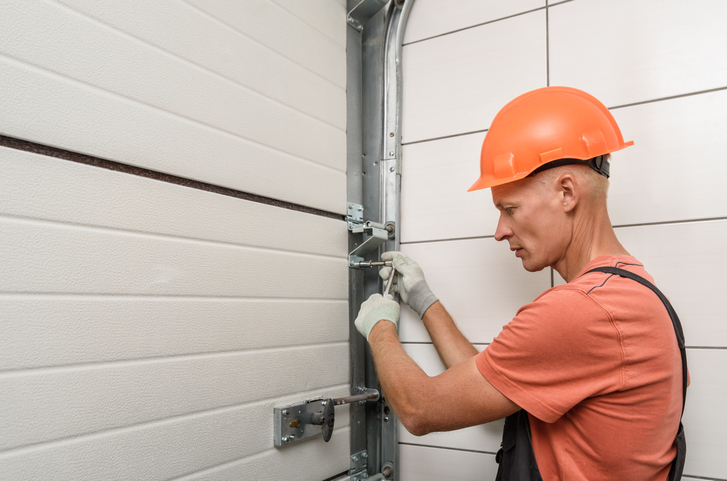
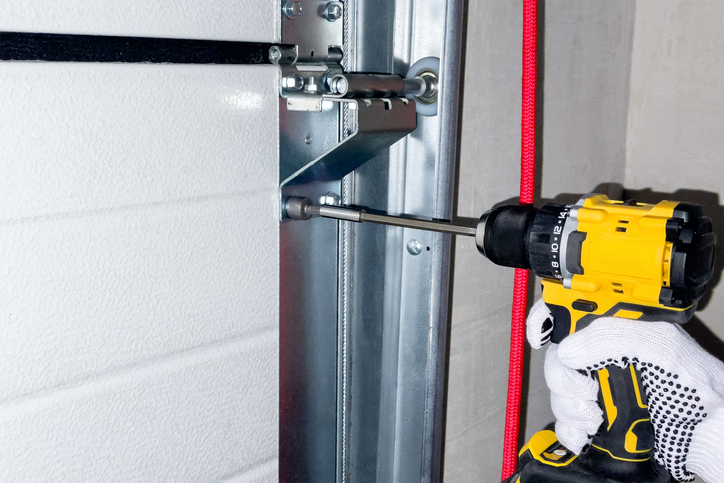
A garage door opener must be precisely aligned, calibrated, and tested to operate safely and efficiently. Professional installation ensures the motor force, travel limits, and safety sensors are set correctly, preventing premature wear, security gaps, and warranty issues.

This level of accuracy protects both the opener and the entire garage door system long-term. Garage door openers are not plug-and-play devices. Installation errors can lead to:

Professional installation ensures precise calibration and long-term reliability.

13. Homeowner Maintenance Tips That Actually Make a Difference

Simple awareness goes a long way in avoiding major issues and ensuring timely professional intervention when needed. Between professional visits, homeowners can:

Routine care helps extend the life of a garage door opener and reduces unexpected breakdowns. Small habits such as testing the auto-reverse feature, keeping sensors clean, and paying attention to new noises allow problems to be caught early, before they turn into costly garage door opener repairs or major safety concerns. These small habits prevent big problems.

14. Why Homeowners Trust Door Pros

Door Pros combines technical expertise with clear communication. Our team focuses on safety, performance, and long-term value – not upselling or shortcuts.

Homeowners trust us because we:

We service all major opener brands, offer honest assessments, and ensure every homeowner understands their options before making decisions.

Conclusion:

Long-term peace of mind starts with the right garage door opener care. Your garage door opener affects your home’s safety, comfort, and daily flow more than you may realize. Understanding how it works and how to care for it helps you avoid surprises and make confident decisions.

With professional service and informed choices, your garage door opener becomes a dependable part of your home, not a source of stress.

We’re here to make garage door opener issues simple and stress-free. Call Door Pros at 877-787-3667 today for expert garage door opener services that you can depend on, because dependable access starts with professional care.

FAQs

Regular garage door opener service keeps your system reliable, safe, and efficient. Most professionals recommend having your garage door opener inspected and maintained at least once a year, ideally before heavy use seasons like summer and winter. Annual maintenance helps prevent unexpected breakdowns, ensures safety sensors work properly, and extends the life of your opener.

Unusual or loud noises from the garage door opener often indicate worn components, poor alignment, or lack of lubrication. Grinding, rattling, or squeaking may come from worn gears, loose hardware, or tension problems in the drive system. Timely professional service can diagnose the issue, reduce noise, avoid further damage, and improve daily comfort in spaces near the garage.

Most garage door openers are designed to last around 10 to 15 years with normal use and regular maintenance. Heavy usage, improper installation, or neglected service can shorten this lifespan. If your opener is older and experiencing frequent issues, declining performance, or fails safety tests, it may be more cost-effective to replace it with a modern, energy-efficient model.

Deciding between repair and replacement commonly depends on the age, frequency of problems, and cost of repairs. If the opener is relatively new and has a specific component failure, a repair is usually the best choice. However, if repairs are frequent, parts are obsolete, or the system lacks modern safety and smart features, replacement is often more reliable and cost-effective in the long run.

GET ESTIMATE NOW

By submitting your information, you consent to receive text messages at the phone number you have provided. Standard message and data rates may apply. If you wish to stop receiving messages, please reply with the word “Stop” or “Unsubscribe”. Information collected will be used as described in our Privacy Policy.
Terms and Conditions | Privacy Policy.

REVIEWS

WHAT OUR CLIENTS ARE SAYING ABOUT US

OUR BLOGS

Garage Door Services That Address Alignment And Balance Issues

Garage Door Services That Address Alignment And Balance Issues?

Introduction Proper alignment and balance are essential for smooth and safe garage door operation. When tracks become misaligned, springs lose tension, or cables wear unevenly, ...

READ FULL ARTICLE
Why Garage Door Replacement

Why Garage Door Replacement Is Safer Than Repeated Temporary Fixes?

Introduction Garage doors are critical for home security, safety, and daily convenience. When small problems arise, homeowners often attempt temporary fixes to avoid the cost ...
READ FULL ARTICLE
Garage Door Opener Replacement Considerations For Modern Households

Garage Door Opener Replacement Considerations For Modern Households

Introduction Modern households rely on garage doors for both security and convenience. Older opener models may lack the power, control, or features needed to match ...
READ FULL ARTICLE
Modern Garage Door Services That Improve Alignment And Balance

Modern Garage Door Services That Improve Alignment And Balance

Introduction Modern garage door solutions focus on correcting alignment and balance issues that affect how a garage door moves, sounds, and responds during daily use. ...
READ FULL ARTICLE
Garage Door Opener Performance Checks That Support Smooth Use

Garage Door Opener Performance Checks That Support Smooth Use

Introduction Garage door operators handle repeated cycles of lifting and lowering, and even minor performance issues can affect daily use. Homeowners looking into garage door ...
READ FULL ARTICLE
Why Garage Door Maintenance Helps Avoid Premature Wear Issues

Why Garage Door Maintenance Helps Avoid Premature Wear Issues?

Introduction Garage doors operate through repeated cycles that place a steady load on springs, rollers, tracks, and hinges. Over time, friction, misalignment, and surface fatigue ...
READ FULL ARTICLE