


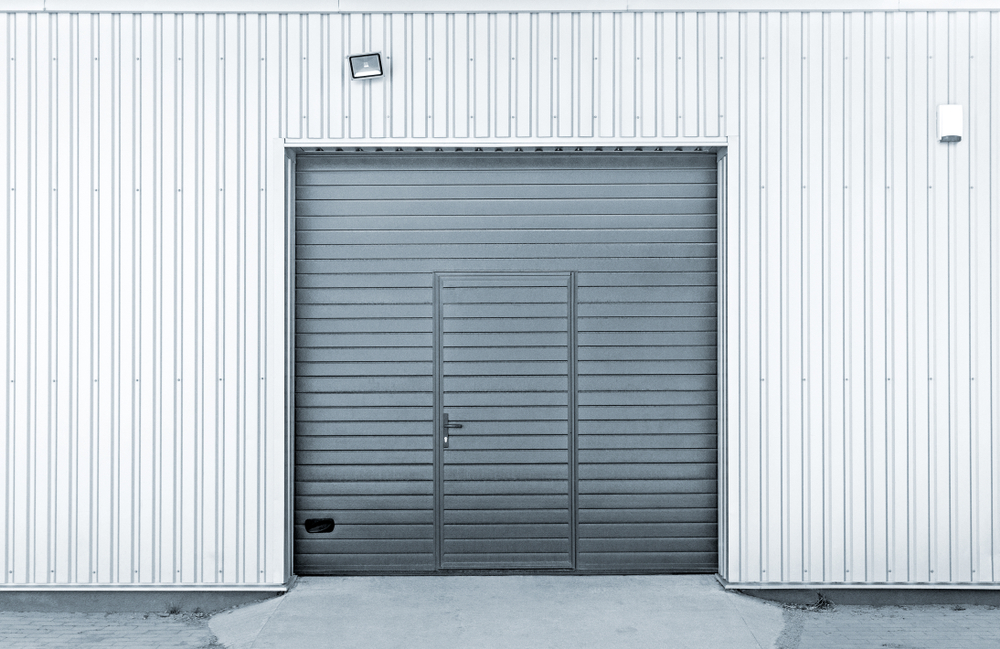
A garage door looks harmless standing still, just a big panel that goes up and down on command. Child-safe garage doors require thinking past that stillness, though, since the moving parts, sensors, and controls involved carry real risk if a household has young kids around. Federal law mandates certain safety features on every residential opener sold today, auto reverse chief among them, but mandated features only work if they’re actually tested and maintained on a regular schedule. Beyond the equipment itself, plenty of the real risk traces back to habits: where remotes get kept, whether kids understand the door isn’t a toy, how closely anyone supervises the area while it’s operating. Covering both the mechanical side and the habit side gives a much more complete picture than either one alone.
1. Testing the Auto-Reverse Feature the Right Way
Auto reverse is required on every opener manufactured since 1993, designed to detect an obstruction and immediately reverse direction rather than continuing to close on it. Testing it takes under a minute. Place a two by four flat on the ground where the door would close, then trigger the door to close normally. A properly functioning door should reverse immediately on contact. It shouldn’t keep pressing down. If it doesn’t reverse, or reverses only after significant force, that’s not a minor issue. It needs a technician’s attention immediately, not a someday-soon fix.
2. Photo Eye Sensors and Why Alignment Matters
Photo eye sensors sit a few inches off the ground on either side of the door track, projecting an invisible beam that stops the door from closing if anything breaks it. Misalignment happens more easily than people assume, sometimes from a bump during yard work or a stroller clipping the bracket on its way past the driveway. A door that closes without pausing when something crosses that beam almost certainly has a sensor problem, whether from misalignment, dirt on the lens, or a wiring fault. Testing this regularly matters just as much as testing auto reverse. The two systems work together, not one simply backing up the other. A quick visual check, confirming both sensor lights glow steadily instead of flickering, takes seconds and catches most problems early. Skip that check for a few months, and the first sign of trouble might be a door that just doesn’t stop when it should.
3. Keeping Remotes and Keypads Out of Small Hands
A remote control left on a low shelf or in an unlocked car turns into a toy the moment a curious toddler finds it, and garage door remotes don’t come with a childproof cap the way medicine bottles typically do. Simple Family home safety tips here include storing remotes on a high hook near the door instead of a kitchen counter or car cupholder, somewhere a small child truly can’t reach without help. Wall mounted control buttons should sit high enough that only an adult or older child can reach them comfortably, a detail plenty of installers skip unless a homeowner specifically asks about it upfront. Keypad codes should stay private, shared only with people who actually need access instead of posted somewhere visible for convenience’s sake. None of these steps take real effort, just a little intention about where things end up. Five minutes of rearranging solves a problem most households never think about until it’s already a problem.
4. Pinch Points Most Parents Never Notice
Older garage doors, particularly those without raised panel design, create pinch points between sections as the door moves, spots where small fingers can get caught during completely normal, everyday operation. Newer doors often include pinch resistant panel designs specifically engineered to eliminate that gap between sections. Retrofitting pinch guards onto an older door is a relatively inexpensive fix for anyone not ready to replace the whole panel system just yet. Teaching kids never to touch the door itself while it’s moving matters just as much as any hardware fix, since no design eliminates every risk completely. A five minute conversation about keeping hands and fingers away during operation goes further than most parents expect. Kids listen better than adults sometimes give them credit for, especially when the reason actually makes sense to them.
5. Building Habits That Matter More Than Any Single Feature
No single safety feature replaces basic supervision near an operating garage door, regardless of how many sensors and reversing mechanisms are built into the system. Establishing a simple rule, nobody stands under or near the door while it’s moving, matters more than most parents initially assume it would when they first hear it suggested. Regular testing of auto reverse and photo eye sensors, ideally monthly, catches equipment failures before they become an actual incident rather than a close call. Talking to kids directly about the door, in age appropriate terms, builds understanding rather than just enforcing a rule they don’t grasp the reason behind. The equipment does most of the technical work, but the habits around it do the rest. Neither one covers for the other completely, which is exactly why both matter here.
Conclusion
Garage door safety around children rests on a combination of working equipment and consistent habits, neither one sufficient entirely on its own. Auto reverse and photo eye sensors need regular testing, not just a single check performed once at installation and then forgotten about for years. Door Pros checks these safety systems as a standard part of every service visit for Coachella Valley families, rather than treating them as optional add-ons to a routine appointment. A five minute monthly test and a clear household rule about the door cost nothing and prevent the vast majority of incidents that do happen. Ten minutes a month. That’s the entire time commitment for most of this. Taking these steps seriously protects the people who matter most in a house, not just the equipment itself. That’s worth remembering the next time testing the sensors feels like one more thing on an already long list.
“Want your garage door checked for child safety? Door Pros can help. Call 877-787-3667.”
FAQs
Q1.How do I know if my garage door’s auto reverse is working in Palm Desert, CA?
Place a two by four flat on the ground where the door closes and trigger it normally. A properly working door should reverse immediately on contact rather than continuing to press down.
Q2. Where should garage door remotes be stored in a home with kids in Indio, California?
On a high hook or shelf near the door rather than a car cupholder or low counter, somewhere a young child can’t easily reach without help.
Q3. How often should garage door safety sensors be tested in Coachella Valley, CA?
Testing auto reverse and photo eye sensors monthly catches most equipment problems early, before they turn into an actual safety incident.