


Walk down a street with houses spanning eighty years of construction and the garage doors alone tell most of that story before anyone reads a single date on a building permit. Architectural garage door styles shifted dramatically across that span, moving from ornate, hand built wooden panels to today’s flush steel doors with barely a visible seam. A craftsman bungalow from the 1920s calls for something entirely different than a contemporary build finished last year. Mixing those vocabularies up produces a house that reads as confused, not intentional. Getting the style right isn’t just about taste. It’s about matching a door to the architectural language the rest of the house is already speaking. A house never stops talking, even through something as simple as a garage door.
1. What Actually Defines a Historic Garage Door Style
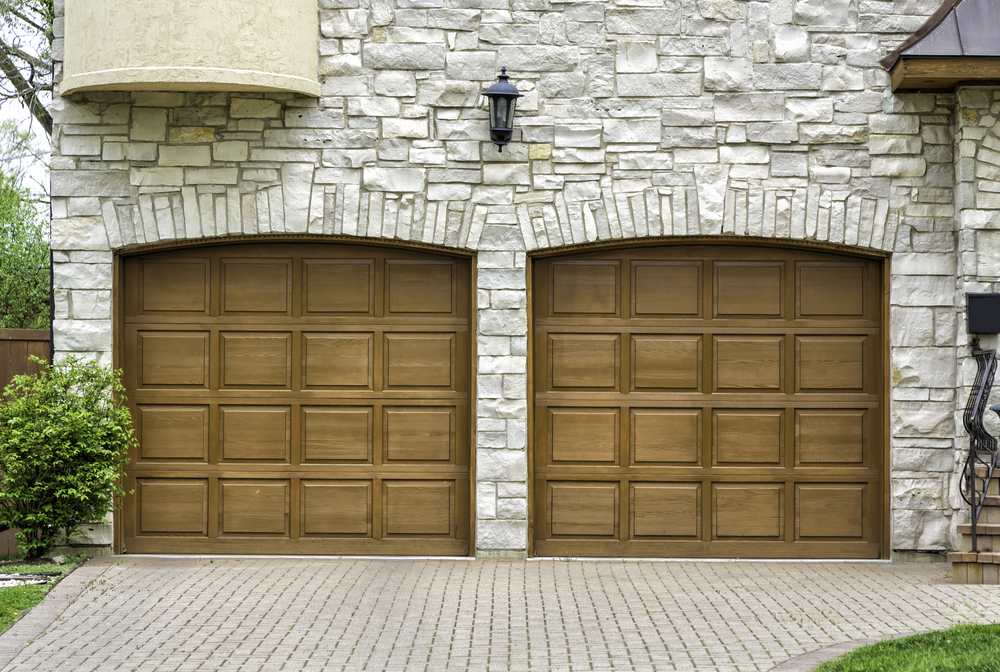
Historic garage doors typically feature raised panels, often arranged in patterns that echo the divided lites of period appropriate windows nearby. Wood was the dominant material well into the mid twentieth century, chosen as much for availability as for the warmth it brought to a home’s exterior. Carriage house styling, swinging doors made to look hinged even on a modern overhead track, deliberately references the era before cars replaced actual carriages in most driveways. Decorative hardware, strap hinges, handles, sometimes even faux tie-down straps, reinforces that reference without requiring the door to actually swing open the old fashioned way. None of this is subtle. Historic styling wants to be noticed and identified immediately for what era it’s referencing. A quick glance should be enough to place the decade, roughly, without needing to check a listing description.
2. Modern Minimalism and the Rules It Follows
Contemporary garage doors favor flush surfaces, minimal ornamentation, and often full panels of glass or a single unbroken material from edge to edge. Clean horizontal lines dominate modern design, sometimes with a single accent strip or a subtle texture instead of any raised paneling at all. Aluminum and steel replace wood as the material of choice in most contemporary builds, valued for durability and a sleeker profile than wood ever achieves easily. Color palettes lean toward black, dark charcoal, or a single bold accent color, not the earth tones common on historic doors. Modern minimalism follows its own strict internal logic. Adding a single ornamental detail can undercut the entire aesthetic faster than people expect.
3. Hardware Details That Separate the Two Eras
Comparing Historic vs. modern garage doors at the hardware level reveals the clearest difference between the two approaches, since historic styling relies on visible, decorative hardware as a core design element instead of something to hide. Strap hinges and handles on a historic style door are meant to be seen and appreciated up close, often finished in an aged bronze or black iron look regardless of whether they’re structurally functional. Modern doors hide their hardware almost entirely, favoring flush handles or no visible hardware at all beyond what operation strictly requires. This difference alone often determines whether a specific door reads as authentic to its intended era or as a generic compromise trying to please both aesthetics at once. Getting hardware wrong undoes an otherwise correct panel and color choice more often than people realize. A perfectly chosen door with the wrong handles still looks slightly off, even to someone who couldn’t say exactly why.
4. Navigating Historic District Regulations
Homes located within an officially designated historic district often face real restrictions on garage door replacement, sometimes requiring specific materials, panel configurations, or even pre-approval before any work begins. These regulations exist to preserve a neighborhood’s visual consistency and historical character, not to make homeowners’ lives difficult, though it can certainly feel that way during a straightforward replacement project. Working with a contractor familiar with local historic preservation guidelines saves considerable time and hassle compared to submitting a plan that gets rejected and has to be resubmitted. Some districts allow modern materials disguised to look period appropriate, offering a middle path between authentic reproduction and full modern replacement. Checking district requirements before ordering anything prevents an expensive mismatch between what got purchased and what’s actually allowed on that specific street. A returned custom order costs far more than the phone call that would have prevented it.
5. Blending Eras Without the Result Looking Confused
Some homeowners want a modern garage door on a historic home, or vice versa, and that combination can work when handled deliberately rather than by accident. A minimalist door on a craftsman home sometimes reads as an intentional, confident contrast rather than a mistake, provided the rest of the property signals that the choice was purposeful. The reverse, an ornate carriage style door on a strictly contemporary build, tends to read as confusion rather than contrast, since nothing else on the house supports that historical reference. Successful blending usually keeps one strong signal, either fully historic or fully modern hardware and trim, rather than splitting the difference on every single detail. A confident choice in either direction beats an uncertain compromise that tries to satisfy both eras equally. Pick a lane. The house will thank you for it, visually speaking.
Conclusion
Matching a garage door to a home’s actual architectural period, whether historic or modern, changes how the whole house reads from the street far more than people initially expect. Panel style, material, hardware, and color all work together, or against each other, depending on how carefully those choices get made. Door Pros helps Coachella Valley homeowners navigate these style decisions, including any historic district requirements that might apply to a specific property. Getting this right protects both the home’s character and its curb appeal, rather than settling for whatever style happens to be easiest to order quickly off a showroom floor. A garage door that matches its era looks intentional. One that doesn’t just looks like an afterthought, the kind of detail a buyer or a neighbor notices without ever quite articulating why.
“Need a garage door that matches your home’s style? Door Pros can help. Call 877-787-3667.”
FAQs
Q1. What garage door style fits a historic home in Palm Desert, CA?
Raised panel wood or wood look doors with visible decorative hardware typically suit historic homes best, echoing the architectural details common to that era.
Q2. Are there garage door restrictions in historic districts in Indio, California?
Some historic districts do require specific materials or pre-approval for garage door replacement, so checking local guidelines before ordering anything is worth doing.
Q3. Can a modern garage door work on an older home in Coachella Valley, CA?
It can, when the contrast is deliberate and the rest of the property supports that choice, though an uncertain mix of both styles often reads as a mismatch instead.