


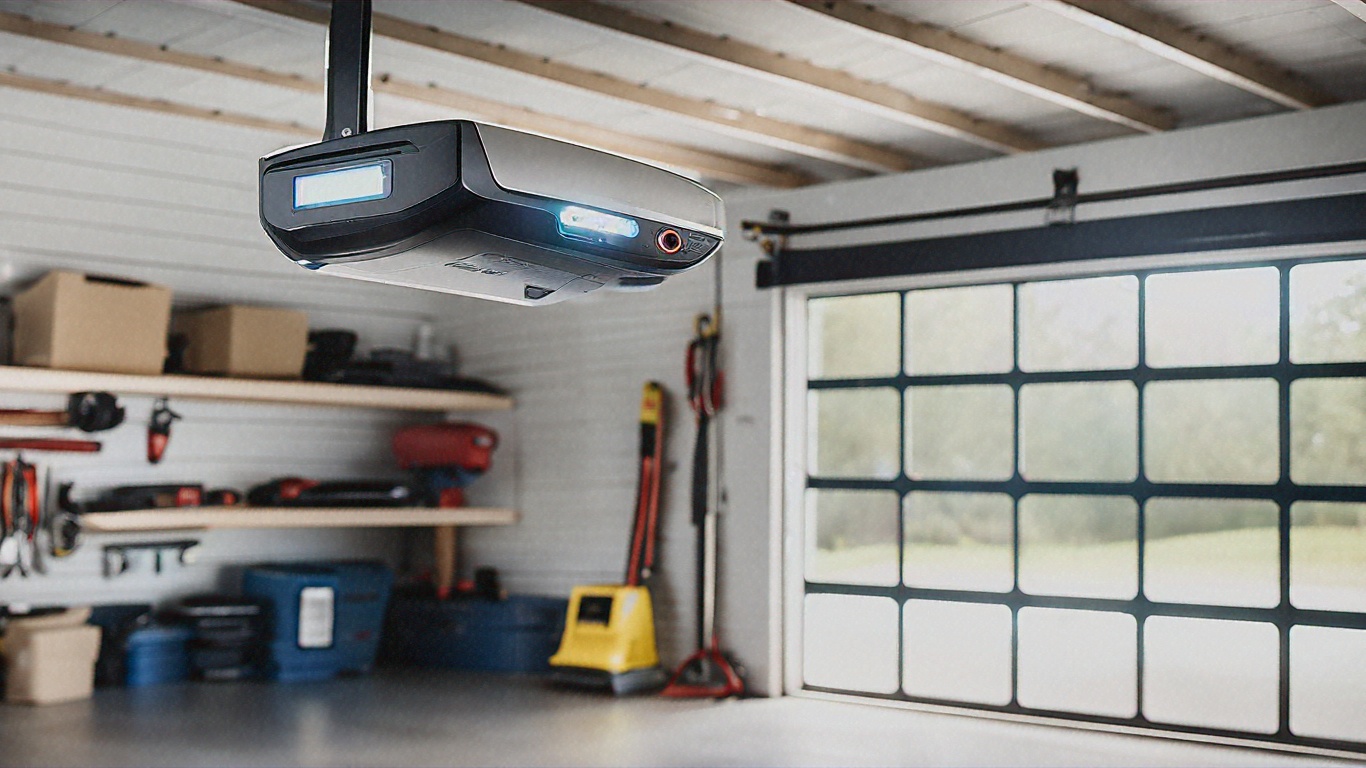
Garage door openers do a lot of mechanical and electrical work behind the scenes, even though most homeowners only think about them when something stops working. The unit mounted up in the rafters looks like a simple motor with a chain or belt, but the actual operation involves several different systems working together every time the door opens or closes. Most homeowners curious about how their garage door opener in Indio, CA, works are trying to solve a problem they’ve been having or simply want to understand the equipment they rely on every day. Knowing the basics helps in real ways, as it allows owners to communicate clearly with service technicians, troubleshoot common issues themselves, and make informed decisions when it’s time to repair or replace the unit. The next sections walk through the mechanics and electronics in plain language, without the marketing jargon that confuses most online explanations. By the end, the system inside your garage should make complete sense.
1. The motor and drive system that lifts the door
The motor itself sits at the heart of every opener, providing the power that physically moves the door up and down through thousands of operating cycles. Most residential openers use either AC or DC motors, with AC versions offering simple reliability and DC versions providing quieter operation along with soft start and stop functionality. The motor connects to one of three drive types: chain drive, using a metal chain on a sprocket; belt drive, using a reinforced rubber belt on a pulley; or screw drive, using a threaded steel rod that lifts the door directly. Each drive type carries distinct advantages in terms of noise, durability, and price point that affect daily operation noticeably. The drive system converts the motor’s rotational motion into a linear pulling force that moves the door along its tracks.
2. The trolley and rail system that guides the action
The trolley represents the small carriage that travels along the rail above the door, connecting the drive mechanism to the door itself through a connecting arm. As the chain, belt, or screw drive moves, it pulls the trolley along the rail, which in turn pulls the connecting arm and lifts the door through its full range of motion. The rail itself runs from above the door opening back to the motor head, providing the track that keeps the trolley moving in a straight, predictable path during operation. Most rails come in two or three sections that bolt together during installation, allowing them to be shipped in standard-length boxes despite the typical 8 to 10-foot total length required for standard residential garage configurations. The whole assembly must align precisely with the door for smooth operation across years of service.
3. The breakdown of how all the parts work together
A clear explanation of how garage door openers work step by step starts with the simple sequence that happens every time you press the wall button or your remote. The signal from the button or remote reaches the receiver inside the motor housing, which activates the motor and engages the drive system to move the trolley along the rail. The connecting arm pulls the door upward through its curved tracks, with the springs above the door doing most of the actual lifting work while the opener primarily provides the controlled motion and stopping. Photo-eye sensors near the floor monitor for obstructions during the closing cycle; automatically reverse the door if anything breaks the beam between them. The control board manages all timing, force limits, and safety features throughout each operation cycle.
4. The role springs actually play in the operation
Most homeowners assume the opener does all the lifting work, but the truth is significantly different and worth understanding for anyone using a garage door regularly. The torsion or extension springs above the door provide nearly all the actual lifting force during operation, with the opener simply providing controlled motion and timed stopping at the open and closed positions. A properly balanced door floats midway between fully open and fully closed without falling in either direction, demonstrating that the springs effectively counterbalance the entire door weight. The opener motor only needs to overcome friction in the rollers and tracks, along with the small force required to break this static balance and initiate motion. This is why broken springs cause complete opener failure, since the motor cannot lift a 350 pound door without the spring assistance built into the design.
5. The safety and control systems that prevent accidents
Modern openers integrate several safety and control systems that operate continuously during every cycle to prevent accidents and unauthorized access. Photo-eye sensors mounted near the floor on both sides of the door create an invisible beam that the door must pass through during opening and closing. Any interruption of this beam during the closing cycle triggers immediate reversal, preventing injury to children, pets, or property in the door’s path. Auto reverse on contact detection uses force sensing to detect unexpected resistance during operation and reverse the door if it contacts something between the sensors and the threshold. Rolling-code remote technology generates a new, unique code with every button press, preventing code-grabbing attacks that compromised older fixed-code remote systems years ago.
Conclusion
Garage door openers represent surprisingly sophisticated equipment that combines mechanical engineering, electronics, and safety systems to ensure reliable daily operation for many years of household use. Understanding the basic operation helps homeowners communicate more effectively with service technicians, troubleshoot common problems themselves, and make informed decisions when it’s time to repair or replace aging equipment. The springs do most of the actual lifting work, the opener provides controlled motion and safety oversight, and the electronics manage the timing and security features that make modern openers safe and convenient. A working understanding of these systems pays back consistently across the equipment’s service life through smarter ownership decisions.
“Mystery noises, slow lifts, dead remotes. Phone Door Pros at 877-787-3667 today, our team explains the issue clearly and quotes the fix in writing.”
FAQs
Q1: How long do garage door openers typically last in Indio, CA?
Quality residential openers deliver 12 to 15 years of service in this climate, with premium DC-drive models often lasting 20+ years or more before requiring replacement. Heat exposure in desert conditions shortens average service life by 15 to 20 percent compared to milder regional markets.
Q2: How much does opener maintenance and repair typically cost in the Coachella Valley?
Annual professional maintenance runs $95 to $175 in this area, covering a full inspection, lubrication, and safety testing of all major components. Repair calls add $150 to $550, depending on the specific parts involved, with sensor and remote issues at the lower end and motor or control board problems at the higher end.
Q3: When should homeowners in the Coachella Valley schedule opener service?
Annual service visits work best when scheduled in spring or fall, when the weather cooperates with the work and installer availability is strong. Address developing problems promptly rather than waiting, since small issues can cascade into larger repairs within just a few months of continued operation.